Introduction
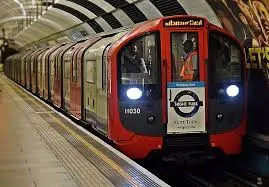
The London Underground, affectionately known as ‘the Tube,’ is a crucial aspect of London’s public transport infrastructure. Serving millions of commuters daily, it connects various parts of the city and surrounding areas. Its significance extends beyond simple transportation; it plays a vital role in the city’s economy and cultural identity. With ongoing developments, understanding the London Underground’s functionality and historical context is essential for both residents and visitors alike.
History of the London Underground
The first stretch of the London Underground opened in 1863, connecting Paddington and Farringdon Street. Initially, it was created to alleviate traffic congestion above ground, and its popularity quickly grew. The system has since expanded to include 11 lines and 270 stations, covering an extensive network of 249 miles. The architecture and design of Underground stations reflect London’s rich history, featuring styles that range from Victorian elegance to modern minimalism.
Modern Developments
Recently, the Tube has witnessed significant upgrades aimed at enhancing passenger experience. Initiatives include the introduction of contactless payment methods, real-time travel information, and improved accessibility features in new and existing stations. The ongoing Crossrail project promises to further streamline commuting, reducing congestion on certain lines and providing faster connections across the city.
Current Challenges
Despite its many advantages, the London Underground faces challenges, particularly in light of the COVID-19 pandemic. Passenger numbers dropped dramatically during lockdowns, and while ridership has steadily rebounded, concerns about overcrowding, safety, and air quality remain a priority for transport officials. Additionally, ageing infrastructure presents a challenge; many of the Tube’s deep-level tunnels and trains necessitate extensive refurbishment and technological updates.
Conclusion
The London Underground is more than just a transportation network; it is an integral part of London’s identity, blending historical significance with modern advancements. The ongoing evolution of the Tube presents both opportunities and challenges for local authorities, who must balance heritage preservation with the need for improvements to cater to a growing population. As London continues to modernise, the London Underground is set to play an even more pivotal role in shaping the city’s dynamic future.
