The Significance of HMRC Pensions
Pensions are crucial for securing financial stability in retirement, and understanding how HMRC (Her Majesty’s Revenue and Customs) oversees pension contributions and tax relief is essential for individuals and employers alike. The tax benefits associated with pension savings are vital in incentivising retirement planning within the UK.
The Role of HMRC in Pension Regulation
HMRC is responsible for regulating pensions in the UK, ensuring compliance with laws which govern pension contributions, tax relief, and allowances. Employees and employers can contribute to pensions while benefiting from tax efficiency, which is regulated under the Pension Schemes Act.
One of the critical aspects of HMRC’s role is the annual allowance, which caps the amount that can be contributed to pensions without incurring extra tax charges. As of the current tax year, the standard annual allowance is set at £40,000, but this figure can be reduced for high earners, particularly those earning above £240,000, who may have a tapered allowance.
Pension Tax Relief Explained
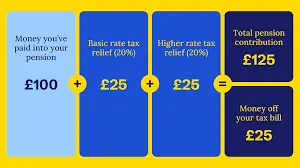
Tax relief on pension contributions is one of the significant incentives to save for retirement. For basic rate taxpayers, contributions are topped up by 20% through HMRC’s relief, meaning for every £80 contributed, the pension pot receives £100. Higher rate taxpayers can claim an additional 20% through their Self Assessment tax return, effectively bringing the overall tax relief to 40% on their contributions.
Implications for Individuals and Employers
For employees, understanding HMRC pensions means they can maximise their retirement savings while minimising tax liabilities. For employers, recognising the compliance and regulatory requirements helps in correctly implementing pension schemes and supporting employees in their retirement planning.
Conclusion: The Future of Pensions Under HMRC
As the UK faces demographic changes and economic uncertainties, the importance of HMRC’s pension regulations will only magnify. Increased longevity means that individuals need to engage proactively with their pension savings. Predictions suggest that pension reforms may be introduced in response to evolving economic needs, with heightened focus on transparency and accessibility for individuals at all income levels.
For readers, staying informed about HMRC pensions is vital not only for optimising retirement savings but also for understanding the changing landscape of pension regulations, helping to secure a more financially stable future.
