Introduction
The UK State Pension is a vital source of income for millions of British citizens as they retire. Understanding the details surrounding its payment, including eligibility, updates, and changes, is essential for anyone nearing retirement or planning for their financial future. Recent developments in 2023 have shown significant implications for pensioners, making this a particularly relevant topic.
Current State of the UK State Pension
As of April 2023, the new state pension rates have been updated, with the full new state pension now standing at £203.85 per week. This reflects a rise from the previous year, in line with the government’s commitment to the triple lock system which ensures pensions increase by the highest of inflation, average wage rises, or 2.5%. This year, the increase is attributed to inflation rates spiking post-pandemic.
Eligibility and Payment Structure
To qualify for the full new state pension, individuals typically need to have at least 35 qualifying years of National Insurance contributions. It’s important for individuals to check their National Insurance record to ensure they receive the maximum payment. Payments are made every four weeks directly to the bank accounts of pensioners, with the first payment usually being made on the pensioner’s birthday month following the state pension age, which currently stands at 66 for both men and women, set to rise to 67 in the coming years.
Recent Developments and Future Implications
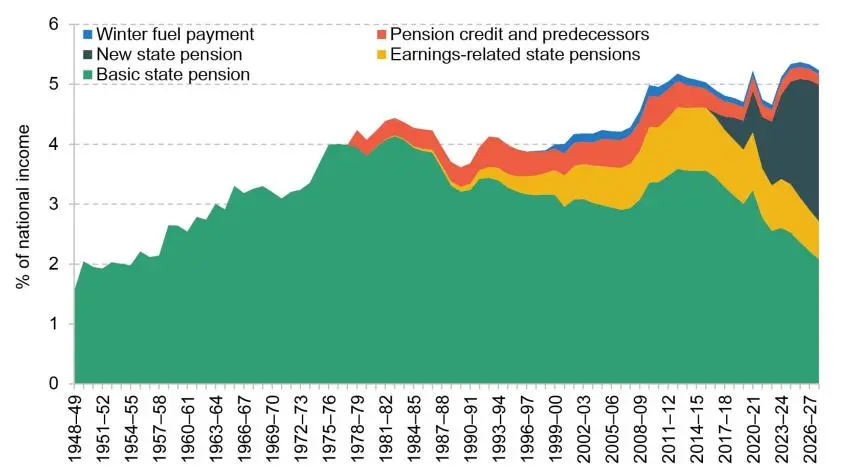
Recently, the government has come under scrutiny regarding discussions about the long-term sustainability of the funding for the state pension. The Office for National Statistics has projected that the number of people aged over 65 will increase dramatically, which could place increased pressure on the pension system. These trends prompt discussions about possible reforms, including adjustments to the age of eligibility or payment rates.
Public Response
Many pensioners have expressed concern about the volatility of the market and how it could impact future state pension payments. Additionally, various advocacy groups have been calling for more significant support for the elderly, highlighting issues such as rising living costs and the impact of inflation affecting the purchasing power of pensions.
Conclusion
As the UK State Pension continues to adapt to changing economic circumstances, its significance as a financial cornerstone for retirees remains unchanged. Stakeholders, including the government and public advocacy groups, are urged to consider the challenges ahead. As such, it is crucial for citizens to stay informed and to prepare adequately for their retirement to mitigate any potential risks associated with future state pension payments. The landscape for state pensions is evolving, and those affected by it must remain vigilant to ensure they are adequately supported in their later years.
