Introduction
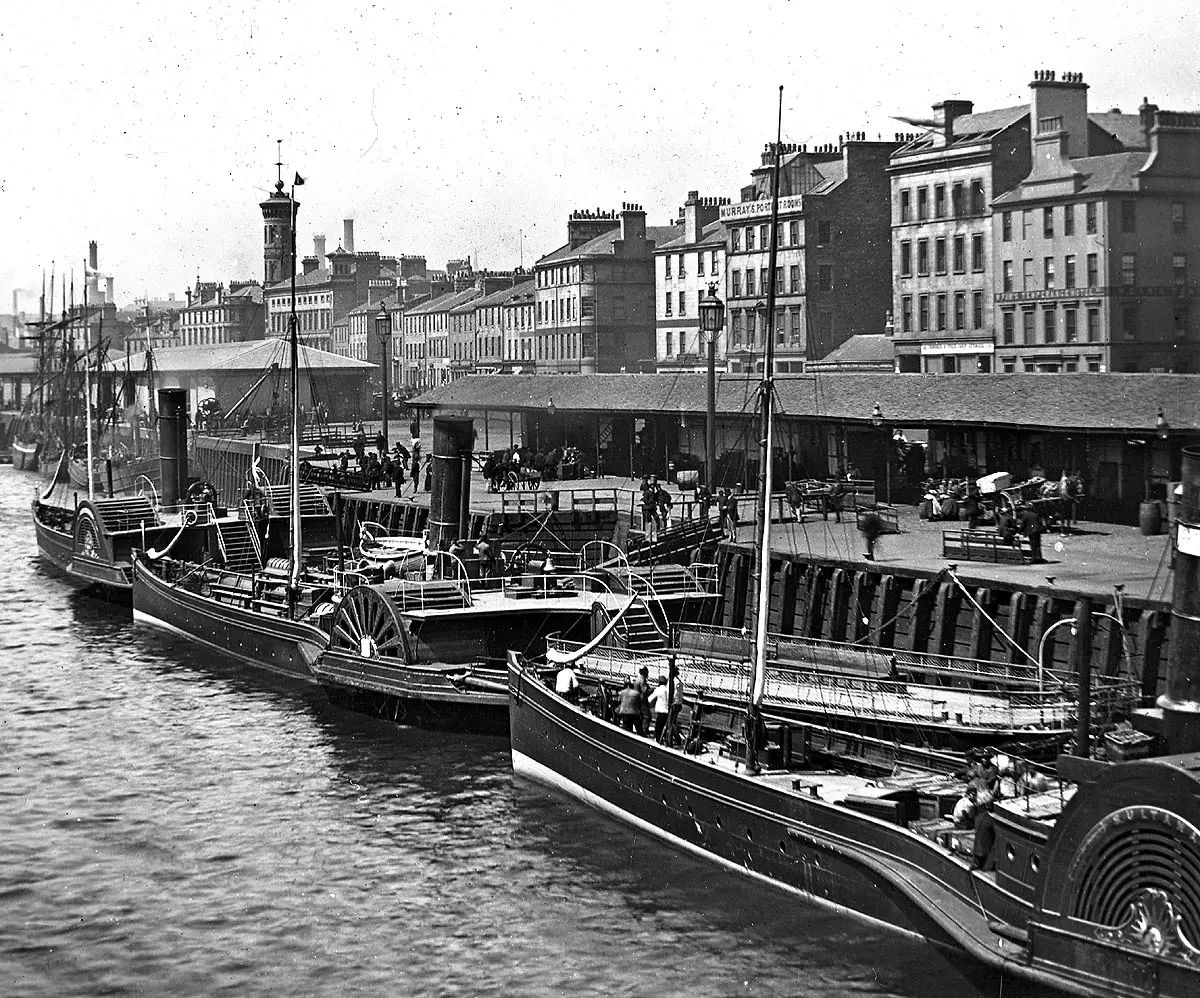
Broomielaw is a significant area on the River Clyde in Glasgow, Scotland, known for its rich history and vibrant waterfront scenes. It holds cultural and economic importance as a central business district while also being a picturesque location that attracts both locals and tourists. The area represents the melding of Glasgow’s industrial past with modern development, making it an essential part of the city’s identity.
A Historic Overview
Traditionally, Broomielaw has been the landing point for goods arriving via the River Clyde, playing a pivotal role in Glasgow’s maritime trade from the 18th century. The name Broomielaw is derived from ‘Broom Ley,’ referring to a meadow covered in broom plants. Today, this area has transformed dramatically; only remnants of its industrial use remain, which have been intertwined with new urban developments.
Contemporary Developments
In recent years, Broomielaw has seen substantial redevelopment initiatives aimed at enhancing its appeal as a vibrant live-work-play environment. The waterfront area is now home to an array of restaurants, bars, and commercial spaces, attracting businesses and visitors alike. Significant projects include the construction of modern apartment complexes that offer stunning views of the Clyde, appealing to a diverse demographic.
Recently, Glasgow City Council has been focusing on improving the pedestrian spaces along Broomielaw, ensuring the area is accessible to all. The riverside paths are increasingly becoming popular for walkers and cyclists, contributing to a more sustainable urban environment.
Cultural Significance
Broomielaw is not just about business and modern amenities; it also serves as a cultural hub. The nearby Scottish Event Campus (SEC) regularly hosts exhibitions and events that bring in thousands of visitors annually. This influx has bolstered Broomielaw’s stature as a meeting point for commerce, culture, and community.
Conclusion
As Broomielaw continues to evolve, its mixture of rich history, modern infrastructure, and cultural significance makes it a vital part of Glasgow’s future. The area is projected to grow further as ongoing developments and community projects adapt to meet the demands of city living. For residents and visitors alike, Broomielaw remains a picturesque representation of Glasgow’s ability to blend the past with the future, inviting exploration and engagement.
