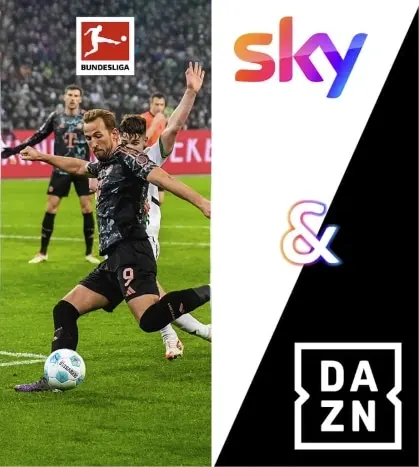
Introduction
DAZN, the global sports streaming service, has become increasingly significant in the world of sports broadcasting. With the surge of online streaming platforms and the decline of traditional cable television, DAZN holds a pivotal position in reshaping how fans access live sports. Founded in 2016, DAZN has rapidly expanded its offerings and reach, appealing to sports enthusiasts worldwide.
Expansion and Offerings
Since its inception, DAZN has broadened its reach to multiple countries, including the UK, Germany, Japan, and Canada. Its business model revolves around a subscription-based service, allowing viewers to watch sports without the need for long-term contracts. This flexibility has attracted a plethora of users seeking various sports content, including boxing, football, and MMA.
Recently, DAZN has increased its profile by securing exclusive broadcasting rights for several high-profile events. For instance, in 2023, DAZN won the rights to air select Premier League matches in the UK, a monumental achievement considering the fierce competition from established broadcasters. This strategic move not only signifies DAZN’s growing influence but also emphasizes a shift in how sports are consumed more digitally than ever.
DAZN’s Unique Features
DAZN offers features that differentiate it from traditional sports networks. The platform provides subscribers with access to a wide range of sporting events, often in real-time and in high definition. Its multi-device compatibility ensures fans can watch their favourite sports on smartphones, tablets, and smart TVs, making it accessible anytime and anywhere.
Additionally, DAZN is investing in original content, including documentaries and talk shows about sports. This not only keeps viewers engaged outside of live events but also enriches the overall sports viewing experience. Fans can explore deeper narratives and insights into both athletes and events they love.
The Future of Sports Broadcasting
The rise of DAZN signals a significant transformation in the sports broadcasting industry. As more consumers gravitate towards streaming services, traditional networks may need to adapt or risk losing viewership. The convenience and affordability offered by platforms like DAZN are appealing to a younger demographic, driving the future of sports consumption.
Conclusion
DAZN is undeniably at the forefront of the sports streaming revolution. As it continues to grow and adapt, it holds a strong position to further influence how sports are viewed in the coming years. The exercise of investing in exclusive rights, unique content offerings, and user-friendly features suggests that DAZN is not just a short-term player but a significant contender in the long-lasting battle for sports viewership. For sports fans, this evolution means more options and flexibility in how they enjoy their favourite games and events.
