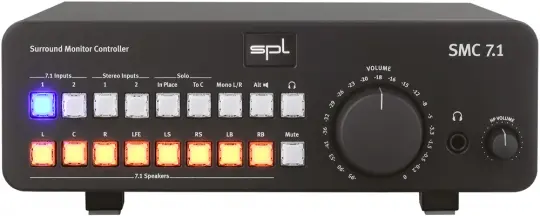
Introduction to SPL
Sound Pressure Level (SPL) is a critical concept in audio engineering, referring to the pressure of a sound wave as it travels through a medium, typically air. Measured in decibels (dB), SPL provides a quantitative measure of sound intensity, which is vital for engineers and musicians alike. Understanding SPL is essential for optimising sound quality in various environments, from live concerts to home audio systems.
The Basics of Sound Pressure Level
SPL is calculated using the formula: SPL = 20 log10(P1/P0), where P1 is the sound pressure being measured, and P0 is reference sound pressure, usually taken as 20 µPa in air. This logarithmic scale means that every increase of 10 dB represents a tenfold increase in sound pressure. For example, a whisper at about 30 dB is significantly quieter than a rock concert, which can register levels of 120 dB or more. In practice, levels above 85 dB can pose hearing health risks if exposure is prolonged.
Current Trends and Developments
Recent advancements in sound engineering technology have brought about new tools for measuring and managing SPL. Many audio professionals are now using sophisticated software and hardware solutions that allow for real-time monitoring of SPL in various environments. These tools are especially useful during live performances, where sound levels can fluctuate rapidly. With the rise of high-fidelity audio equipment for home use, understanding SPL has also become increasingly relevant for consumers looking to enhance their audio experience while preserving sound quality and hearing health.
Conclusion
As audio technology continues to evolve, the importance of SPL in both professional and personal audio contexts cannot be overstated. Understanding sound pressure levels can help prevent hearing damage, ensure optimal sound quality, and improve the overall listening experience. For audio engineers, musicians, and even casual listeners, keeping an eye on SPL will become increasingly vital in the coming years, particularly as sound environments become more complex and immersive.
