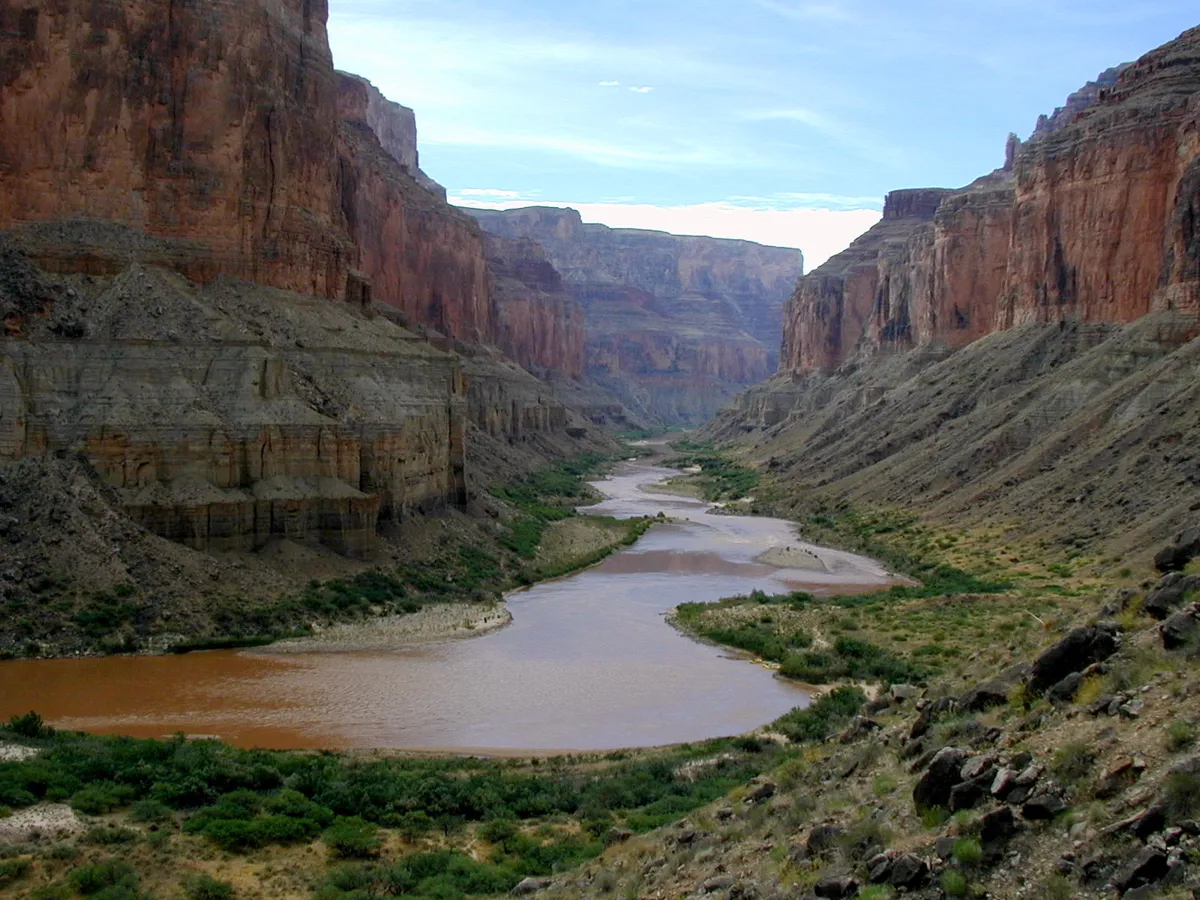
The Colorado River, a vital water source for seven U.S. states and Mexico, is facing a significant crisis that threatens drinking water supplies, agriculture, and hydropower generation. The ongoing Millennium drought, which began around the year 2000, has been exacerbated by warmer and drier spring conditions, leading to a staggering 70% discrepancy between predicted and actual river flows.
Since 1999, precipitation across the Colorado River Basin has declined by approximately 7%. This reduction in rainfall means that plants are increasingly dependent on melting snow for water, which has resulted in diminished streamflow. In some years, only about half of the expected snowmelt reaches rivers and streams, further compounding the water shortage.
Rising temperatures are accelerating snowmelt and increasing water loss through evaporation and plant consumption. As Daniel Hogan noted, “We wanted to focus on the cascading consequences of this.” The implications of these changes are profound, affecting not only the environment but also the livelihoods of those who rely on the river.
The Colorado River Compact, drafted in 1922, established a framework for water allocation that is now under severe strain. The compact was originally designed to protect gold miners and is based on a “first-in-time, first-in-right” system, which may no longer be sustainable in the face of changing climate conditions.
Experts are concerned about the future of the river and its ability to meet the demands of a growing population and agricultural needs. As Lundquist pointed out, “The problem with doing these calculations in April is that obviously spring hasn’t occurred yet,” highlighting the challenges in forecasting water availability.
In a related effort, Colorado Parks and Wildlife has been working on the Otter Y.E.A.R. project to document the distribution of river otters, which were reintroduced to the state between 1976 and 1991. A total of 120 otters were brought back, with the last documented trapping occurring in 1906 or 1909. Bob Inman stated, “This year’s survey will help us understand the extent of reintroduction success and any limitations to it.” This initiative reflects a broader commitment to restoring the river’s ecosystem amid ongoing challenges.
As the situation evolves, the answer to the Colorado River’s missing water mystery is becoming clearer: it is not a single cause but rather a chain reaction driven by a changing climate. The future of the Colorado River remains uncertain, and further developments are expected as stakeholders grapple with these pressing issues.
