Introduction
Snow squalls, sudden and intense bursts of snowfall, have gained attention recently due to their potential to cause hazardous travel conditions and increased risks for outdoor activities. Unlike a typical winter storm, snow squalls can develop with little warning, resulting in reduced visibility and quickly accumulating snow. Understanding snow squalls is crucial for preparedness and safety, especially as winter weather events become more unpredictable.
Characteristics of Snow Squalls
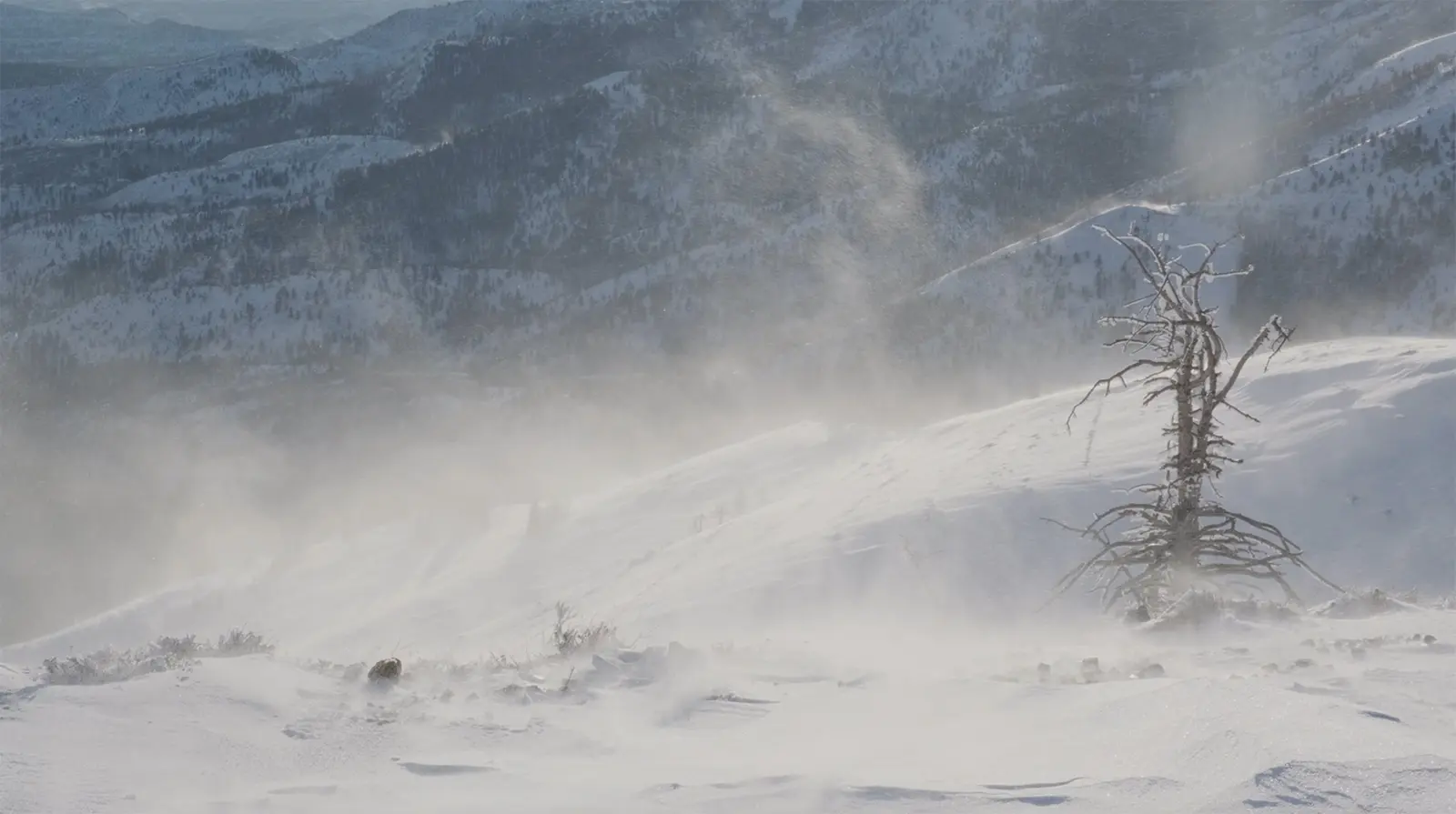
Snow squalls are defined as brief but intense periods of snowfall that can occur within a few minutes and last up to an hour. Typically, these events are accompanied by strong winds that can create white-out conditions, making navigation hazardous for drivers and pedestrians alike. The National Weather Service (NWS) has issued warnings in various regions across the UK and the US, highlighting the severity of these events and advising caution.
Recent Incidents
In early March 2023, areas in the northeastern United States experienced a series of snow squalls which resulted in numerous traffic accidents due to sudden drops in visibility. In one notable incident, several vehicles collided on a major highway in Pennsylvania after a snow squall rolled through unexpectedly, leading to significant delays and emergency responses. Forecasters had predicted a cold front but did not anticipate the rapid onset of squalls that occurred, demonstrating the unpredictability of winter weather.
Preparation and Safety Measures
Given the unpredictable nature of snow squalls, being prepared is essential. Drivers are advised to keep their vehicles winter-ready, including ensuring they have proper tyres and emergency kits. Weather apps and alerts can provide timely updates on approaching squalls, allowing individuals to make informed decisions before venturing out. When a snow squall is forecasted, it is wise to limit travel, particularly on the evening commute when visibility can suddenly diminish.
Conclusion
Snow squalls, while brief, can lead to significant safety concerns and disruptions. Understanding their characteristics and employing proper safety measures can help mitigate risks associated with these winter phenomena. As climate patterns evolve, the potential for snow squalls may increase, making awareness and preparedness even more critical for communities. Therefore, staying informed through local weather services and education campaigns will be vital in fostering a culture of safety during the winter months.
