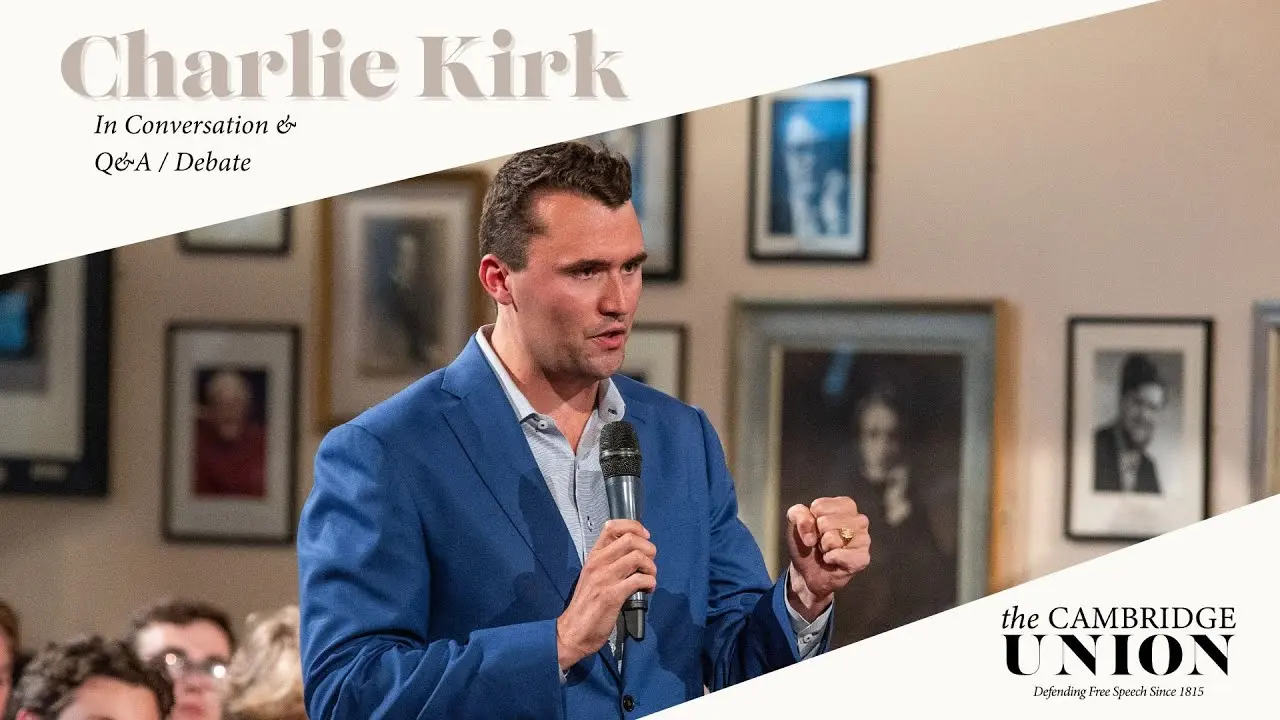
Introduction: Importance of Political Discourse
Political engagement among students is crucial in shaping future leaders and public opinion. One of the contemporary voices sparking conversation in conservative politics is Charlie Kirk, founder of Turning Point USA, an organisation aimed at promoting free-market and conservative values on college campuses. Kirk’s recent visit to Cambridge University has drawn significant attention and controversy as students and faculty engage in discussions about his viewpoints and the broader implications of political dialogue.
Charlie Kirk’s Visit to Cambridge
On October 15th, 2023, Charlie Kirk delivered a keynote speech at Cambridge University, where he spoke about the importance of freedom of speech, individual liberty, and conservative principles in today’s society. His visit was part of his ongoing tour to encourage young people to take an active role in politics and to challenge the status quo within academic institutions. The event attracted a full audience, but also sparked reactions both in support and opposition from students and faculty.
Public Reaction and Controversy
Kirk’s presence at the prestigious institution was met with mixed reactions. Supporters commended his efforts to promote conservative values, arguing that students should hear diverse viewpoints to better formulate their opinions. Critics, however, protested his appearance, claiming that his messages contradict the inclusive and progressive values that many universities strive to uphold. The contrasting perspectives highlight the division among young people regarding political beliefs, which continue to shape campus environments across the United Kingdom and beyond.
Significance for Students and Future Political Engagement
The discussions surrounding Kirk’s visit to Cambridge underscore the importance of fostering platforms for political discourse in educational settings. Engagement with influential figures like Kirk can motivate students to explore their political beliefs more deeply, encouraging thoughtful debate and critical thinking. The event has also raised questions about how universities can balance free speech with the potential for harmful rhetoric, a dilemma many institutions are grappling with today.
Conclusion: Looking Ahead
Charlie Kirk’s visit serves as a reminder of the broader landscape of political engagement on college campuses. As the UK approaches a general election, it will be interesting to see how these conversations evolve and whether institutions will adapt their approaches to accommodating diverse political viewpoints. For students, the implications of such events could shape their identities as voters and advocates for years to come. As such, it is vital that students remain engaged, questioning, and thoughtful about the ideologies they encounter in their educational journeys.
