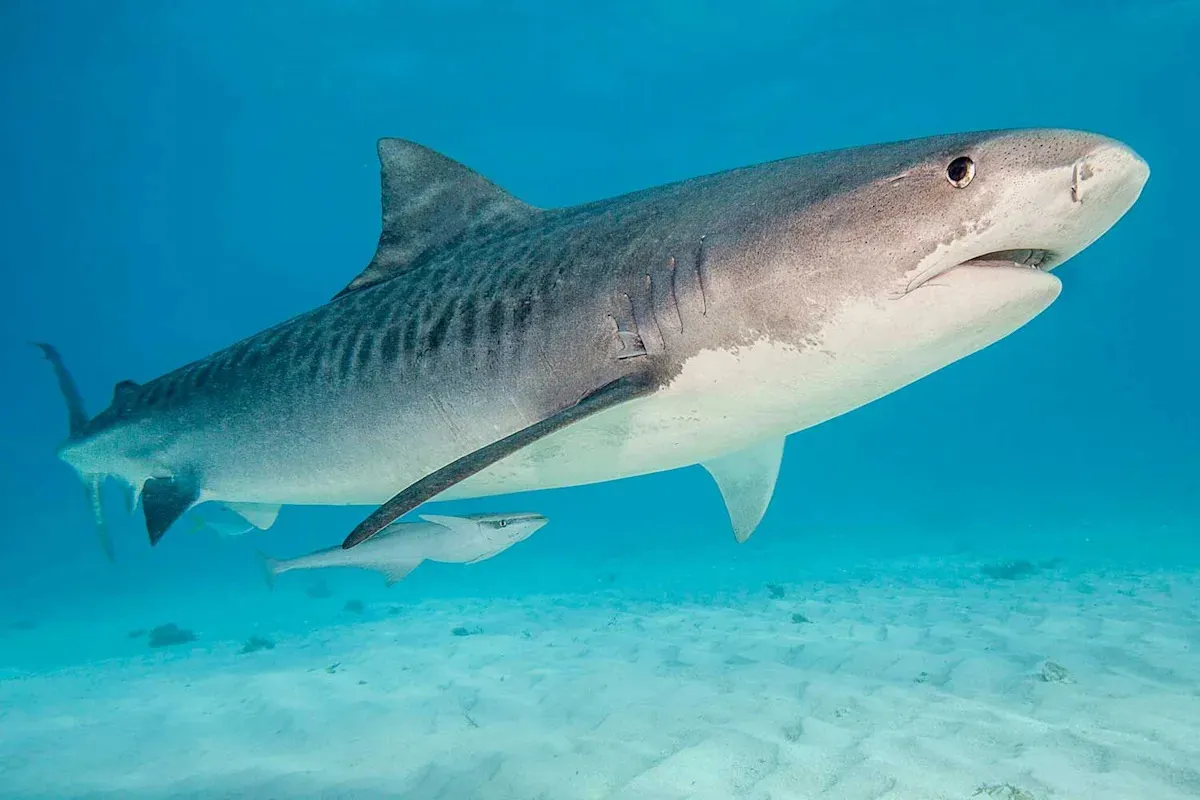
Recent research has uncovered alarming findings regarding the health of sharks in the Bahamas. Just before the study’s release, scientists were preparing to analyze blood samples from various shark species near Eleuthera Island. The results were surprising: nearly a third of the 85 sharks tested positive for contaminants, including caffeine and cocaine.
This study marks a significant milestone, as noted by researcher Natascha Wosnick, who stated, “This represents the first report concerning CECs and potentially associated physiological responses in sharks from the Bahamas.” The presence of these substances indicates a troubling trend of human pollution affecting marine ecosystems.
The analysis revealed that caffeine, in particular, is linked to various physiological issues. It can cause hyperglycemia, lactate accumulation, and disruptions in lipid metabolism. Furthermore, cortisol levels can rise by twenty to fifty percent after caffeine consumption, which could have serious implications for the sharks’ health.
Interestingly, caffeine is known to block adenosine, a molecule that carries the feeling of sleep pressure. This mechanism could explain how caffeine affects not only sharks but also other species. For instance, studies on fruit flies have shown that consuming caffeine at night can lead to increased impulsivity, with female fruit flies experiencing stronger effects.
The implications of these findings extend beyond just the sharks. Understanding how these contaminants affect shark physiology and long-term population health becomes paramount. Wosnick emphasized the remoteness of Eleuthera Island, stating, “We’re talking about a very remote island in the Bahamas,” which raises questions about the source of these pollutants.
As researchers continue to explore the impact of human activity on marine life, the presence of caffeine and other substances in sharks serves as a stark reminder of the interconnectedness of ecosystems. The study highlights the urgent need for further investigation into how these contaminants affect not only sharks but also the broader marine environment.
While the exact sources of these contaminants remain unclear, the findings underscore the importance of addressing pollution in our oceans. The health of marine species like sharks is crucial for maintaining ecological balance, and the presence of substances like caffeine could have far-reaching consequences.
Details remain unconfirmed, but the evidence suggests that human pollution is infiltrating even the most isolated marine habitats. As we learn more about the effects of these substances, it becomes increasingly vital to consider the health of our oceans and the creatures that inhabit them.
