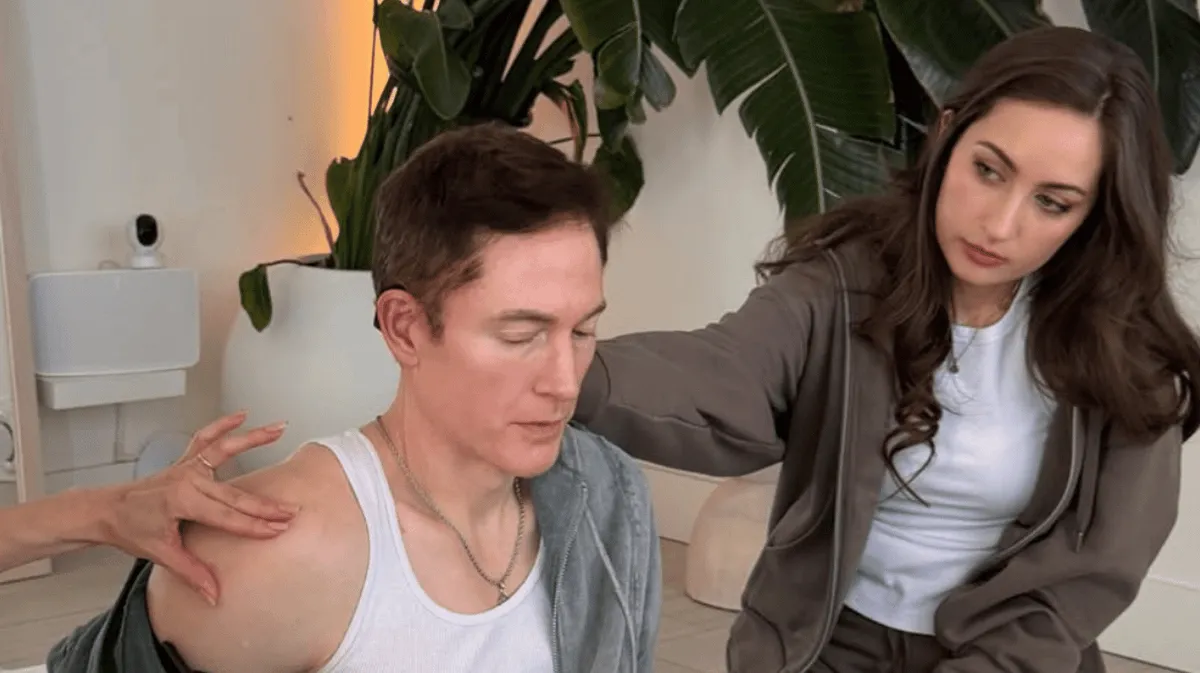
Bryan Johnson, a prominent biohacker and founder of Project Blueprint, recently stirred controversy by sharing intimate details about his partner Kate Tolo’s vaginal health on social media. This revelation not only raises eyebrows but also highlights the intersection of personal health, privacy, and the emerging field of biohacking.
Johnson has dedicated significant resources—around 2 million dollars annually—to reverse his biological age through rigorous health monitoring. His relationship with Tolo, who co-founded the longevity startup Blueprint, has been under public scrutiny for over three years. By sharing that Tolo’s vaginal microbiome score is an impressive 100/100, he places their sexual health in the spotlight.
This disclosure is striking because it connects to broader discussions around sexual health and the vaginal microbiome. The lab results revealed that Tolo’s microbiome is dominated by Lactobacillus crispatus at 98.7%, a beneficial bacterium linked to lower risks of conditions such as bacterial vaginosis (BV) and sexually transmitted infections (STIs). In fact, only about 25-30% of reproductive-age women globally possess this dominant strain.
Yet, why would Johnson choose to share such private information publicly? It seems he aims to educate others about sexual health risks and the importance of microbiome balance. He stated, “This is linked to lower risk of BV, UTIs, yeast infections, HPV persistence, HSV-2 and HIV acquisition, preterm birth, and improved IVF outcomes.” By doing so, he shines a light on a topic often considered taboo.
However, Tolo also pointed out a critical gap in public health discussions: “People don’t get tested for oral STIs…. or talk to partners about dental health, recent illness, or when they were last screened. It’s a public health gap.” This underscores the need for more open conversations surrounding sexual health and testing.
The reaction to Johnson’s post has been mixed. Some applaud his transparency while others criticize him for oversharing private aspects of their relationship. That context matters because it reflects broader societal attitudes towards discussing sexual health openly—especially among high-profile figures.
The future implications of this conversation remain uncertain. Will more individuals follow suit in discussing their intimate health publicly? Or will this backlash prompt a retreat into silence? As Johnson continues his biohacking journey with a 30-person medical team monitoring his health, one thing is clear: the dialogue around sexual health is evolving.
