Introduction
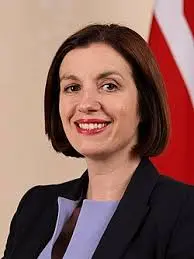
Bridget Phillipson, the Member of Parliament for Houghton and Sunderland South, has become a significant voice in UK politics, particularly within the realm of education. Having been appointed the Shadow Secretary of State for Education in 2021, Phillipson is steering discussions on critical educational reforms amidst a backdrop of challenges presented by the COVID-19 pandemic and recent economic shifts. Her role is pivotal as the nation considers the future of its educational system in an increasingly complex world.
Recent Developments
In recent news, Phillipson has advocated for increased investment in schools and transparency in educational funding. During a speech in the House of Commons last week, she highlighted the disparities in funding between different regions, arguing that every child deserves access to quality education regardless of their postcode. Furthermore, she has been vocal about the need to address the mental health crisis impacting students, pushing for comprehensive support systems within schools.
According to a report released by the Education Policy Institute, there has been a notable decline in mental health resources available to pupils, and Phillipson’s push for additional funding aims to combat this shortfall. She has also emphasised the importance of maintaining teacher recruitment and retention, advocating for policies that support educators to ensure a sustainable and high-quality teaching workforce.
Impact on Education Policy
Bridget Phillipson’s influence extends beyond critiques of the current government’s policies. She proposes a range of reforms targeting key issues such as curriculum development, inclusive education, and early years provision. Her commitment to addressing the inequalities faced by disadvantaged students has resonated with many educators and parents alike, sparking discussions about the fundamental changes needed within the system.
Moreover, her emphasis on technology in education continues to be relevant, especially as schools adapt to hybrid learning environments. Phillipson supports initiatives for better digital resources and training for both students and teachers, arguing that technology should enhance learning rather than serve as a barrier.
Conclusion
As the landscape of education continues to evolve, Bridget Phillipson stands out as a formidable advocate for necessary reforms. Her efforts to address funding disparities, mental health resources, and teacher support will likely play a critical role in shaping the future of education in the UK. With upcoming elections and the education system at a crossroads, Phillipson’s proposals and leadership could significantly influence the direction of educational policy and ensure that every child in the UK has the opportunity to reach their full potential. The implications of her work will be felt not just in the halls of Parliament, but in classrooms across the country for years to come.
