Introduction
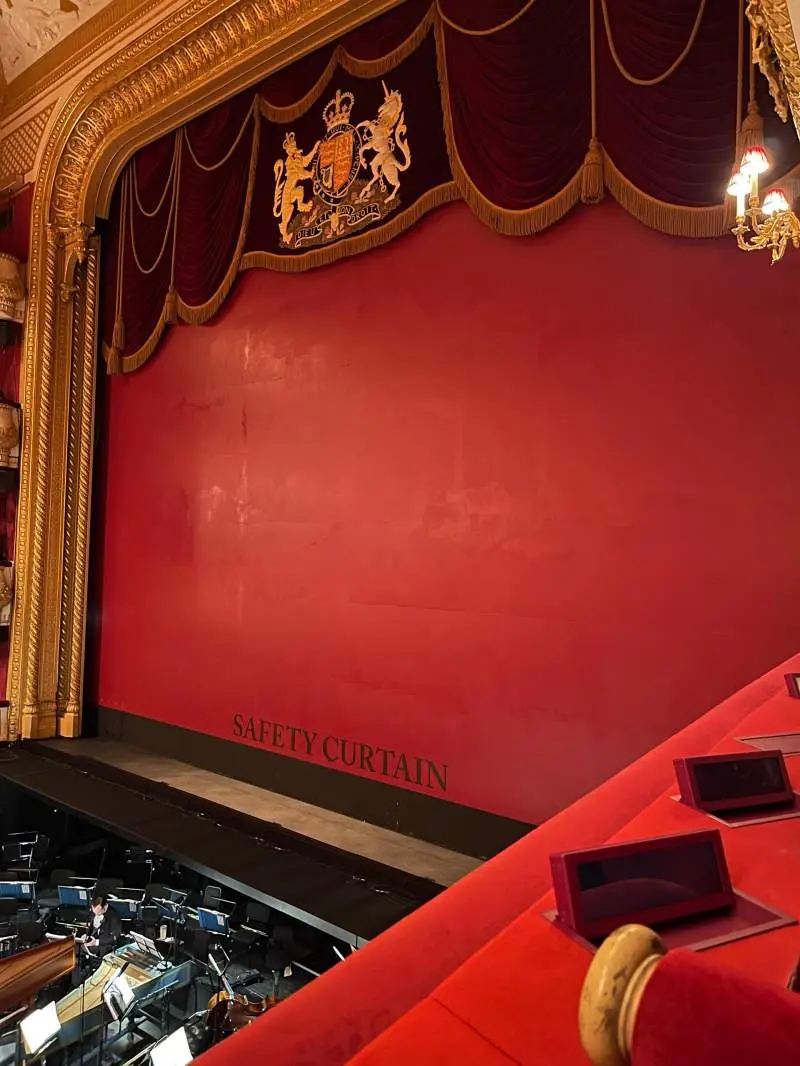
The Royal Opera House, located in Covent Garden, London, is a cornerstone of British culture and an essential venue for opera and ballet enthusiasts. Established in the 18th century, it stands not only as a stage for remarkable performances but also as a symbol of artistic innovation and excellence. As the UK gradually recovers from the pandemic’s restrictions, the Royal Opera House plays a pivotal role in revitalising the arts scene and drawing audiences back to live performances.
A Brief Historical Overview
The Royal Opera House has a rich history dating back to its original opening in 1732. It has undergone numerous renovations and reconstructions, most notably in the late 19th and early 20th centuries, creating the magnificent venue we see today. Hosting some of the world’s finest opera and ballet companies, including The Royal Ballet and The Royal Opera, the venue has nurtured countless iconic performances. Its significance was further cemented with the opening of the Paul Hamlyn Hall in 2006 and the recent introduction of advanced digital technology to enhance audience experience.
Recent Developments and Performances
In 2023, the Royal Opera House has launched several exciting productions, showcasing classic operatic works alongside contemporary pieces. The season has featured renowned performers and conductors, illustrating its commitment to both tradition and modernity. With sell-out performances of Puccini’s ‘La Bohème’ and a new adaptation of Tchaikovsky’s ‘Swan Lake’, the venue has achieved critical and popular acclaim in its latest season.
The Role of the Royal Opera House in Today’s Society
The Royal Opera House also focuses on community engagement and accessibility. Initiatives such as discounted tickets for under-30s, educational outreach programmes, and free live streaming of performances allow a more diverse audience to experience top-level opera and ballet. These efforts are essential as the arts struggle to regain footing post-pandemic, ensuring that everyone can participate in the cultural dialogue.
Conclusion
The Royal Opera House continues to be a beacon of cultural heritage and artistic achievement in the UK. As it navigates the complexities of a post-COVID world, the venue’s dedication to innovation and inclusivity will play a significant part in shaping the future of the performing arts. For audiences, whether seasoned opera-goers or newcomers, there has never been a better time to step inside this magnificent house and witness the magic unfold. The future of the Royal Opera House looks promising, as it seeks to inspire generations to come through the universal language of music and dance.
