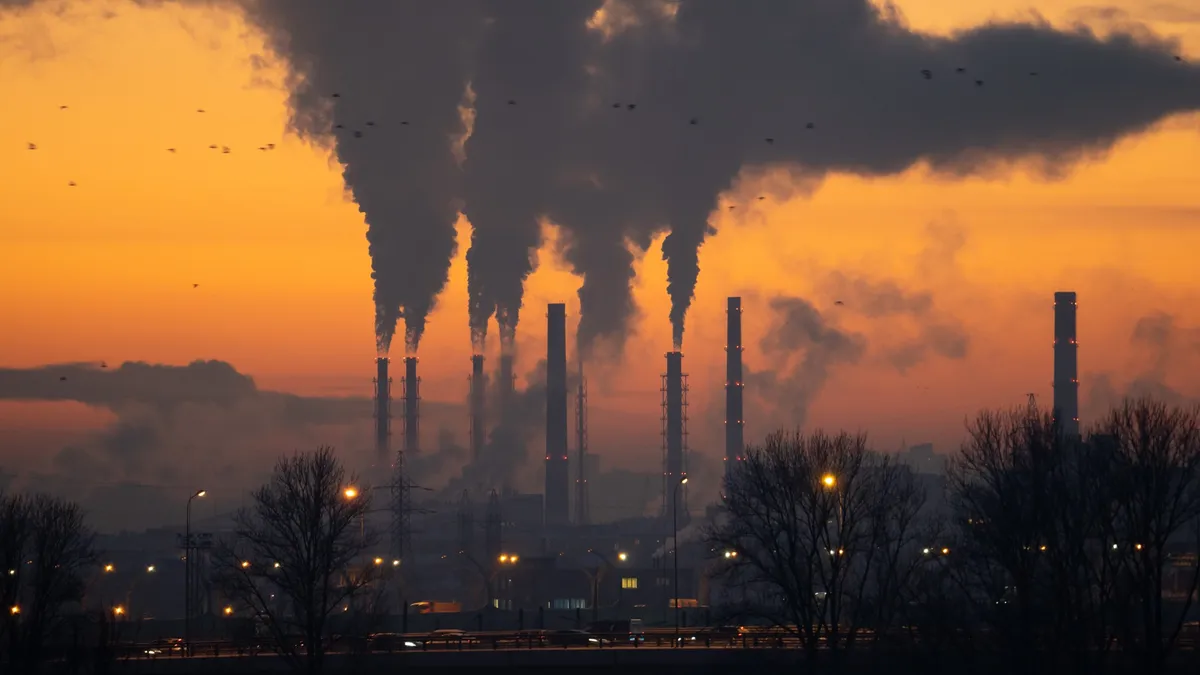
The decline in air pollution due to regulations has unexpectedly led to dimmer clouds and accelerated ocean warming, complicating climate projections. This phenomenon is particularly evident across the North Atlantic and Northeast Pacific, where marine cloud reflectivity has dropped by roughly 2.8 percent per decade.
Why does this matter? As pollution controls tighten, airborne aerosol particles decrease. Fewer aerosol particles mean fewer cloud droplets form, resulting in dimmer clouds that reflect less sunlight back into space. Consequently, this change can exacerbate warming trends—an issue that researchers like Dr. Knut von Salzen highlight when they say, “We may be underestimating warming trends because this connection is stronger than we knew.”
In India, the stakes are particularly high. The nation accounts for nearly 70 percent of all air pollution-related deaths globally. In 2024, a report identified that 94 of the 100 most polluted cities were in India, with cities like Delhi and Mumbai facing severe air quality challenges.
Statistics reveal the severity of the situation: approximately 1.7 million people died from air pollution-related causes in India in 2022 alone. Moreover, a study found that every 10 cubic meter increase in PM 2.5 concentration correlates with an 8.6 percent increase in mortality rates.
Interestingly, specific events exacerbate pollutant concentrations. For instance, on Lag B’Omer—a Jewish holiday—pollutant levels soar seven to twenty times higher than ordinary days due to bonfires used for celebrations, as noted by Dr. Zohar Barnett-Itzhaki.
This intricate relationship between air pollution and climate dynamics poses uncertainties for future climate models. The cloud radiative effect has weakened due to diminished marine cloud brightness and coverage.
As we continue to tighten pollution controls globally, the implications for climate projections become increasingly complex. While cleaner air is vital for public health—especially in densely populated regions like India—the unintended consequences on our planet’s climate system cannot be overlooked.
