Introduction
Air India, the flag carrier airline of India, has played a pivotal role in shaping the country’s aviation industry since its inception in 1932. As the airline undergoes significant transformations amid changing travel trends post-COVID-19, its relevance becomes more pronounced in not only enhancing connectivity but also in redefining customer experiences both domestically and internationally.
Recent Developments
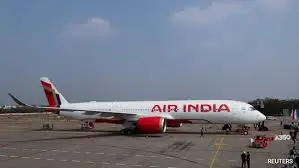
The recent announcement of Air India’s new fleet expansions and service improvements highlights the airline’s commitment to revitalising its operations. In recent months, Air India has signed multiple agreements for acquiring new aircraft in line with its ambitious strategy to enhance its global reach and operational efficiency. In October 2022, Air India placed an order with Boeing for 220 aircraft, aiming to modernise its fleet with the latest models that promise greater fuel efficiency and passenger comfort.
Furthermore, Air India is revitalising its traditions of quality service by rolling out new initiatives designed to improve customer experiences. The airline has introduced upgraded cabin designs and revamped in-flight services, focusing on premium offerings that cater to both business and economy class travellers. As part of its brand rejuvenation strategy, the airline has also reinstated the use of its iconic Maharaja mascot, aiming to connect with passengers emotionally and culturally.
Challenges Ahead
Despite the progress, Air India faces considerable challenges as it seeks to reclaim market share and compete with low-cost carriers that have gained traction in the Indian aviation market. Issues such as streamlining operational efficiencies, maintaining safety protocols, and addressing customer service complaints remain crucial areas of focus for the airline.
Moreover, the recent increase in fuel prices may pose a financial constraint, further complicating its recovery. Analysts suggest that Air India must continuously innovate and offer competitive pricing strategies to attract a wider customer base while ensuring sustainability in its operations.
Conclusion
As Air India embarks on its transformative journey, its efforts to modernise fleet and enhance services are being closely watched by industry experts and travellers alike. The airline’s initiatives not only signify a bold move towards reclaiming its legacy but also have broader implications for the Indian aviation sector at large. With anticipated improvements, forecasts suggest that Air India could regain its position as a leading carrier in the region, contributing significantly to India’s economic landscape and boosting tourism and international connectivity.
