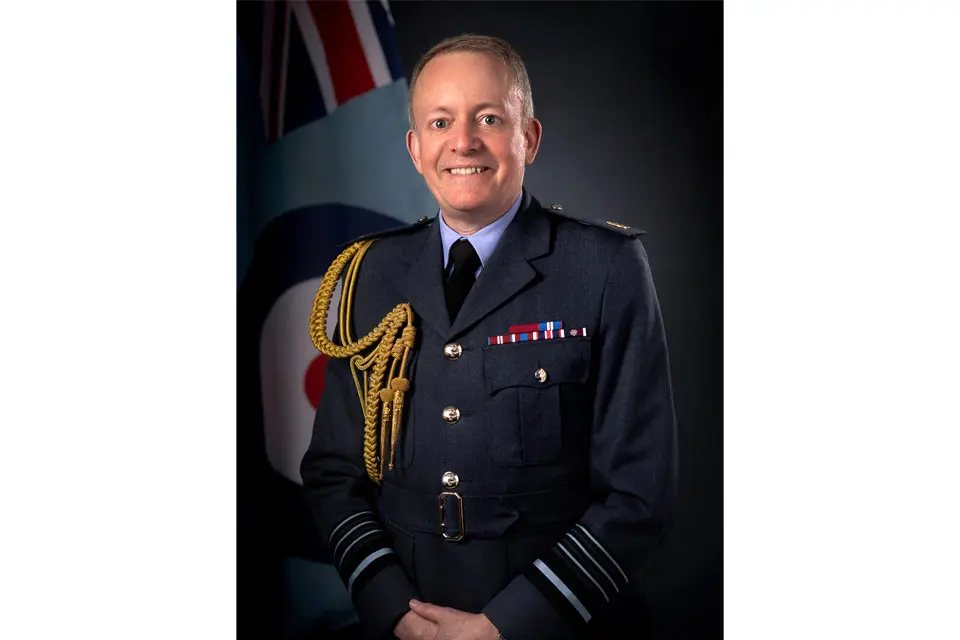
Introduction: The Importance of Leadership in Aviation
As the aviation industry continues to evolve, the role of visionary leaders, such as Richard Knighton, becomes increasingly crucial. Knighton’s contributions in air traffic management and aviation safety are positioning him as a key figure in shaping the future of this vital sector. His insights and decisions not only impact the immediate operations of air traffic but also influence the broader framework within which air travel occurs globally.
Richard Knighton: Background and Achievements
Richard Knighton has been a prominent name in aviation for many years, serving notably as the Chief Operating Officer of the UK’s Civil Aviation Authority (CAA). His career is marked by a dedication to enhancing safety measures and improving operational efficiency across the aviation landscape. Through strategic development and implementation of policies, Knighton has significantly contributed to the regulatory environment that governs air travel.
One of his major achievements is the introduction of innovative technologies aimed at streamlining air traffic management. By advocating for the integration of advanced systems such as Artificial Intelligence and data analytics, Knighton has not only increased the operational capacity of airports but also enhanced the overall safety for passengers and airlines alike. Under Knighton’s leadership, the CAA has seen a revival in its focus on customer service and stakeholder engagement, ensuring that all voices within the aviation ecosystem are heard.
Current Developments and Future Impact
Recently, Knighton’s stance has been pivotal in addressing the challenges that arose during the COVID-19 pandemic, which severely impacted global travel. He has been vocal about the need for strategic recovery plans that prioritize innovation and sustainability within the industry. This includes exploring greener aviation fuels and enhancing airport efficiency through the digitisation of procedures.
Moreover, Knighton champions collaboration across international borders, recognising that the aviation industry is inherently global. His recent discussions at international forums highlight the importance of working together to tackle shared challenges, underscoring the role of technology in creating a safer and more efficient air traffic system.
Conclusion: The Future of Aviation under Richard Knighton
As we look ahead, Richard Knighton’s influence on aviation is expected to grow. His commitment to enhancing safety, embracing technological advancements, and fostering international collaboration positions him as a leader well-equipped to navigate the complexities of modern air travel. Stakeholders in the aviation industry, from policymakers to airline executives, would do well to follow Knighton’s initiatives, as they will undoubtedly shape the future framework of air transportation for years to come. The continuous evolution of this vital sector depends on such leadership to ensure that challenges are met with innovative solutions, ultimately ensuring a more efficient, safe, and sustainable aviation future.
