Introduction
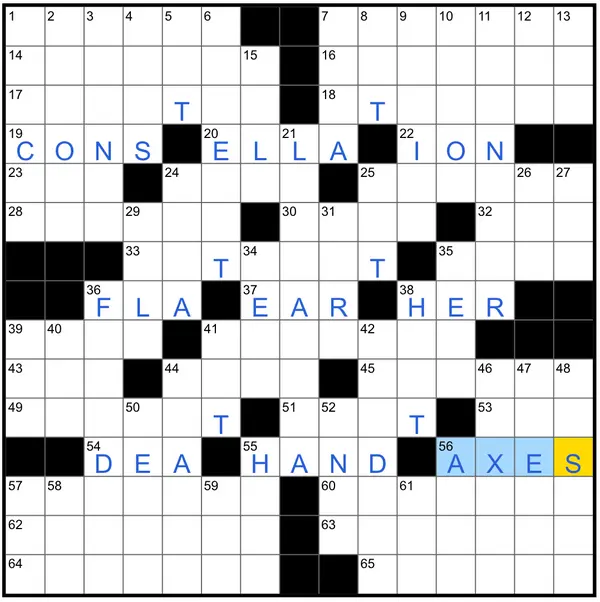
The New York Times (NYT) crossword puzzle is a beloved pastime for many, attracting solvers from all walks of life. Known for its challenging clues and innovative themes, the puzzle has become a staple of American culture. Understanding how to approach these clues effectively can significantly enhance your puzzle-solving skills and boost your enjoyment of this intellectual game.
The Significance of NYT Crossword Clues
Crossword clues in the NYT puzzles vary in difficulty, often reflecting current events, cultural references, and language usage. They can be straightforward, requiring direct knowledge, or cryptic, demanding lateral thinking and a deep understanding of language nuances. As the NYT publishes a new puzzle every day, staying in tune with the clues’ evolving nature is essential for solvers.
Common Types of Clues
NYT crossword clues typically fall into several categories:
- Direct Clues: These provide straightforward definitions or synonyms. For example, the clue “a type of fruit” might simply ask for “banana.”
- Wordplay Clues: These clues use puns, anagrams, or other forms of clever wordplay. For instance, a clue like “green fruit with a pit” could cleverly ask for “avocado” because it plays on the association of ‘green.’
- Themed Clues: Themed puzzles connect clues with a specific concept or are based on a particular subject. For example, a column of clues might revolve around historical figures or movies, making it necessary for solvers to think broader.
- Trivia Questions: These rely on knowledge of pop culture, history, or current events. A clue might reference a recent news event, prompting solvers to stay informed.
Tips for Solving NYT Crossword Clues
For novice and experienced solvers alike, here are some strategies to navigate NYT clues:
- Start with the Easy Clues: Filling in the answers you know can provide a good launching pad for the more challenging clues.
- Think Creatively: Be open to unusual interpretations of words and phrases. Sometimes the answer might not align with the most direct thought process.
- Use the Crossing Letters: Leverage the letters you’ve already filled in from intersecting clues to guide your guesses on harder answers.
- Stay Informed: Regular exposure to various subjects, including current events and cultural knowledge, will significantly enhance your ability to decode trivia-based clues.
Conclusion
As the NYT crossword continues to intrigue and challenge enthusiasts, understanding its clues can transform not just your solving experience but also your appreciation of the intricacies of language and wit involved in puzzling. With practice and attentiveness to the clues, solvers can transition from casual participants to confident crossword aficionados. The daily challenge not only exercises the mind but also fosters a community of crossword lovers, uniting individuals around a shared love for the art of puzzle-solving.
