Introduction
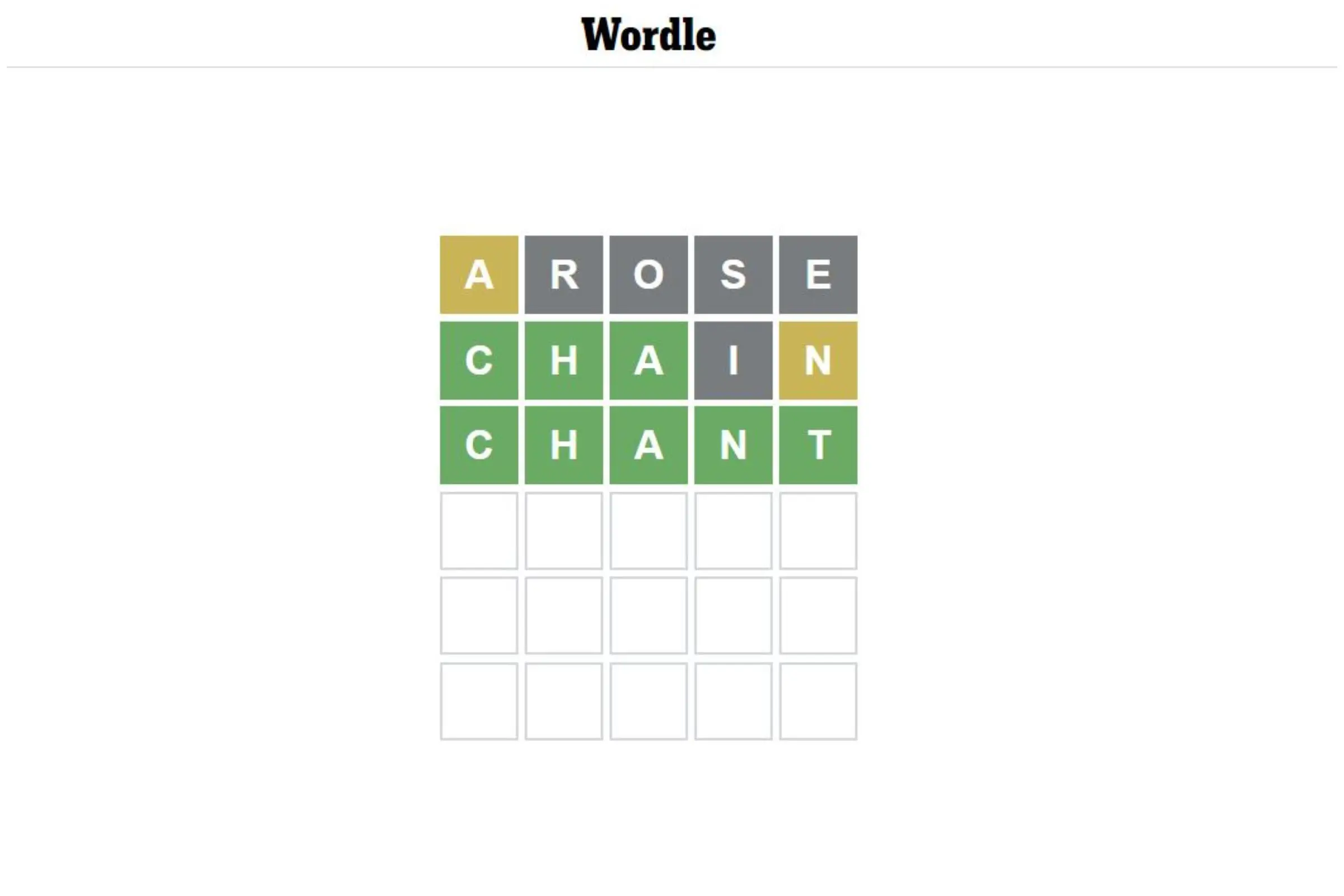
The New York Times Wordle has quickly become a cultural phenomenon since its launch in 2021. This simple yet addictive word puzzle game challenges players to guess a five-letter word within six attempts. Its surge in popularity highlights not only the appeal of daily brain teasers but also the power of social media in spreading trends. The relevance of such games in contemporary society is particularly significant as they foster community engagement and cognitive stimulation.
The Rise of Wordle
Originally developed by software engineer Josh Wardle for his partner, Wordle was acquired by The New York Times in January 2022 due to its exploding popularity. By November 2021, the game boasted nearly 2.7 million daily players, a number that surged further post-acquisition. The unique aspect of Wordle lies in its sharing feature, which allows players to post their results on social media without revealing the answer, creating a buzz and encouraging participation.
Community and Accessibility
Wordle’s design is commendable for its simplicity. Players are not inundated with ads, and its minimalist layout makes it accessible to all ages. The game is available for free, promoting inclusivity and allowing individuals from various backgrounds to partake. Its straightforward rules enable even first-time players to get acquainted quickly. As a result, communities have formed around the game, with enthusiasts sharing tips and strategies, enriching the overall experience.
Importance of Word Games
The rise of word games like Wordle highlights their significance in enhancing cognitive abilities such as vocabulary, problem-solving, and pattern recognition. Regular engagement with such puzzles can contribute to improved mental agility and memory retention, especially for older adults. Furthermore, they offer an enjoyable pastime that allows players to unwind while also providing a sense of achievement.
Conclusion
Wordle’s impact reaches beyond merely being a fun pastime; it has become a social connector amidst a rapidly digitising world. As the game continues to evolve, including spin-offs and variations, its role in fostering community interaction and cognitive development is undeniable. The forecast for games like Wordle remains positive, especially as the demand for simple, engaging entertainment options grows. For avid gamers and casual players alike, Wordle represents a delightful intersection of language and leisure, promising ongoing popularity in the years to come.
