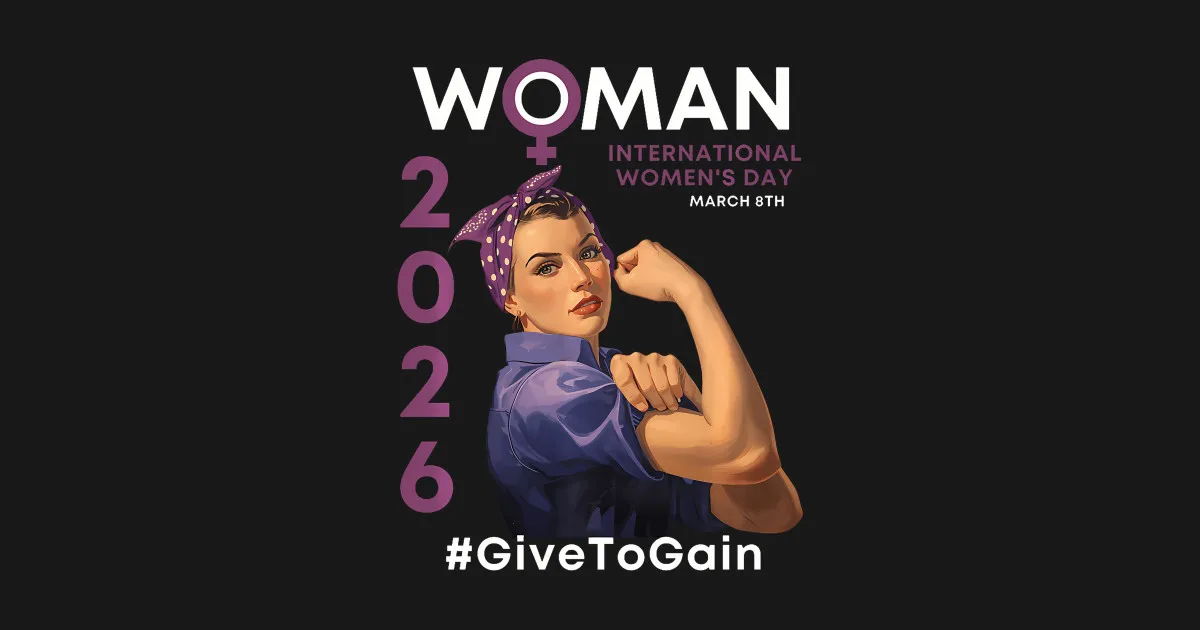
Significant Focus on Women’s Rights and Health
International Women’s Day 2026, celebrated on March 8, will center around the theme ‘Rights. Justice. Action. For ALL Women and Girls.’ This theme underscores the urgent need to address the persistent inequalities and health challenges faced by women globally. As women constitute 51% of the population in the WHO European Region, the stakes are high for ensuring their rights and well-being.
Prevalence of Violence Against Women
One of the most pressing issues highlighted in the lead-up to this event is the alarming statistic that nearly one in three women experiences physical or sexual violence at least once in her lifetime in the European region. This violence remains one of the most serious threats to women’s health and well-being worldwide, necessitating immediate and effective action from governments and organizations.
Health Service Gaps and Recommendations
Despite the recognition of these issues, fewer than 40% of countries in the region have adopted the minimum health service policies recommended by the WHO for post-rape care. This gap in services illustrates the challenges that women face in accessing necessary healthcare, further exacerbating their vulnerability. The Second European Programme of Work 2026–2030 (EPW2) aims to prioritize stronger health sector leadership in preventing and responding to violence against women and girls.
Impact of Socioeconomic Factors
Persistent inequalities in income, employment opportunities, education, and social protection continue to affect women throughout their lives. Health outcomes for women are shaped by various determinants, including cultural norms, environmental conditions, commercial influences, and economic status. Addressing these factors is crucial for creating equitable and resilient societies.
Global Collaboration and Action
On March 5, 2026, a significant event will bring together international organizations, policymakers, and health experts to discuss these critical issues. The webinar will highlight the importance of translating commitments on gender equality into actionable steps. This gathering serves as an opportunity to assess progress and identify areas where stronger action is needed.
Historical Context of Women’s Day
International Women’s Day has been celebrated for more than 100 years, evolving to reflect the changing landscape of women’s rights and health. This year, the focus on rights and justice is particularly poignant as societies continue to grapple with the implications of gender inequality.
Looking Ahead
As the world prepares for International Women’s Day 2026, the emphasis on women’s health and rights remains critical. The ongoing dialogue and actions taken in the lead-up to this event will be essential in shaping future policies and initiatives aimed at improving the lives of women and girls. Details remain unconfirmed regarding specific outcomes from the upcoming discussions, but the commitment to progress is clear.
