Introduction
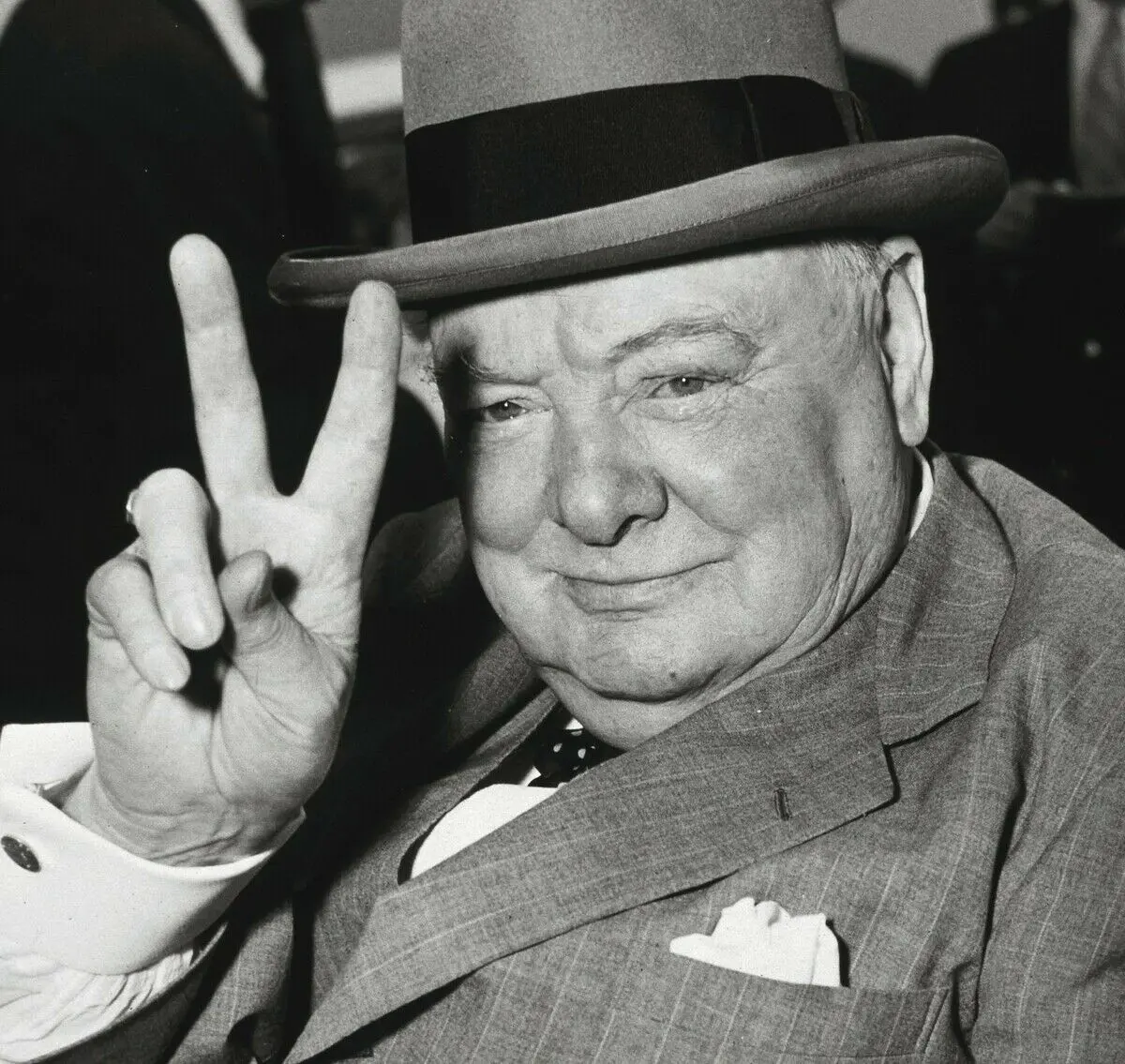
Winston Churchill, Prime Minister of the United Kingdom during the crucial years of World War II, is an enduring figure in history. His leadership, charisma, and iconic speeches rallied the British people during one of their darkest hours. Understanding Churchill’s role is essential for grasping British history and the dynamics of modern democracy.
Churchill’s Early Life
Born on November 30, 1874, into an aristocratic family, Churchill had early aspirations of military service. He attended the Royal Military Academy Sandhurst, subsequently serving in the British Army. His experiences in combat and journalism shaped his political acumen and public speaking skills, which would later become fundamental in his political career.
Political Rise
Churchill entered Parliament in 1900 and held numerous government positions, including First Lord of the Admiralty during World War I. However, it was his role as Prime Minister during World War II that solidified his reputation as a formidable leader. Appointed in May 1940, amid the Nazi advance across Europe, Churchill galvanised the nation with his rousing speeches, encouraging resilience against tyranny.
Leadership During WWII
Churchill’s leadership style combined tenacity with a profound understanding of international politics. He built alliances with the United States and the Soviet Union, forming the backbone of the Allied powers. His speeches, characterised by inspiring rhetoric, instilled hope and fortitude in the British populace during the Blitz, as London endured relentless bombing campaigns.
Post-War Years and Legacy
After the war, Churchill faced electoral defeat in 1945 but returned as Prime Minister from 1951 to 1955. His advocacy for a united Europe, anti-communism stance, and the Iron Curtain speech in 1946 highlighted his continued influence. Churchill’s literary works, including a six-volume history of WWII, earned him the Nobel Prize in Literature in 1953.
Conclusion
Winston Churchill’s legacy is multifaceted. He is remembered not only as a wartime leader but also as a symbol of defiance against oppression. His ability to articulate the human spirit during adversity resonates through the ages. As we navigate the complexities of modern global politics, Churchill’s principles of courage, perseverance, and diplomacy continue to inspire future generations. His steadfastness in the face of tyranny remains relevant in contemporary discussions about leadership and moral integrity.
