The Rise of Non-Fungible Tokens
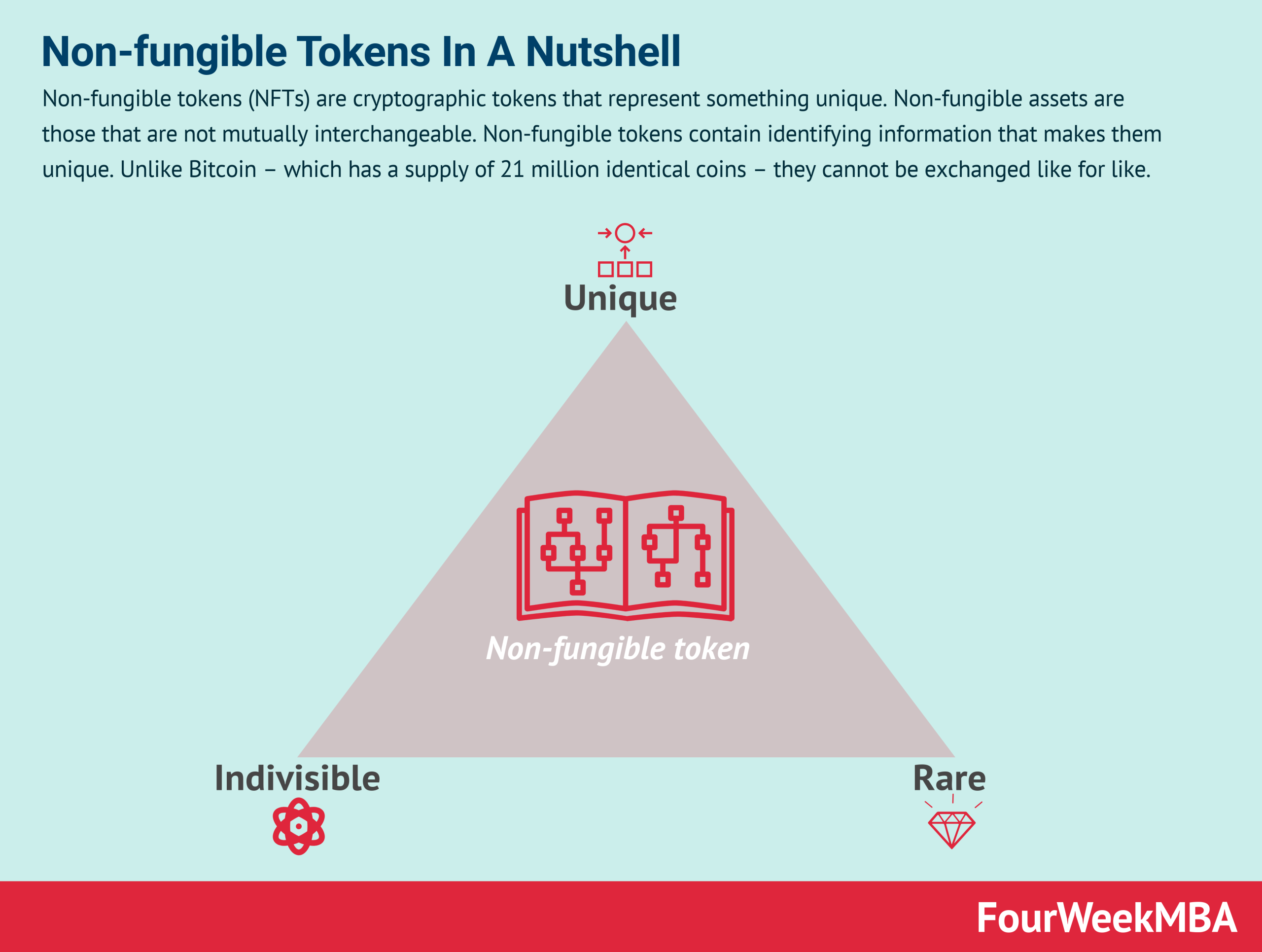
Non-fungible tokens (NFTs) have taken the digital world by storm, establishing their relevance in art, gaming, and beyond. Unlike cryptocurrencies such as Bitcoin or Ethereum, which are fungible and can be exchanged for one another, NFTs carry unique information that ensures their individual identity and value.
The Importance of NFTs
As digital assets become more prevalent, the need for clear ownership and provenance has intensified. NFTs offer a solution by allowing for the certification of authenticity for digital goods. This has led to a surge in interest from artists, musicians, and content creators looking to monetize their work in the digital space.
Recent Developments
Throughout 2023, the NFT market has witnessed a significant shift. Major brands and celebrities have joined the fray, launching their NFT collections to engage with fans and create exclusive experiences. For instance, the popular game franchise Fortnite has begun offering exclusive character skins as NFTs, appealing to its devoted player base.
Additionally, platforms like OpenSea and Rarible continue to evolve, providing creators with robust marketplaces to sell their tokens. Recent data indicates that NFT sales reached over $2 billion in Q3 2023 alone, showcasing a renewed interest in the sector.
The Future of NFTs
Looking ahead, the implications of NFTs extend far beyond digital art. Possible applications include real estate, where digital ownership can streamline transactions and provide transparency. Industries such as music and video streaming might also leverage NFTs for rights management, enabling artists to retain a larger share of their revenue while maintaining control over their work.
Conclusion
Non-fungible tokens represent a paradigm shift in how we view ownership and value in the digital era. As technology continues to advance, and more industries explore the potential of NFTs, understanding this concept will be crucial for consumers and creators alike. The rise of NFTs challenges traditional perceptions of assets, potentially heralding a new age of digital ownership that holds profound implications for the global economy.
