Introduction
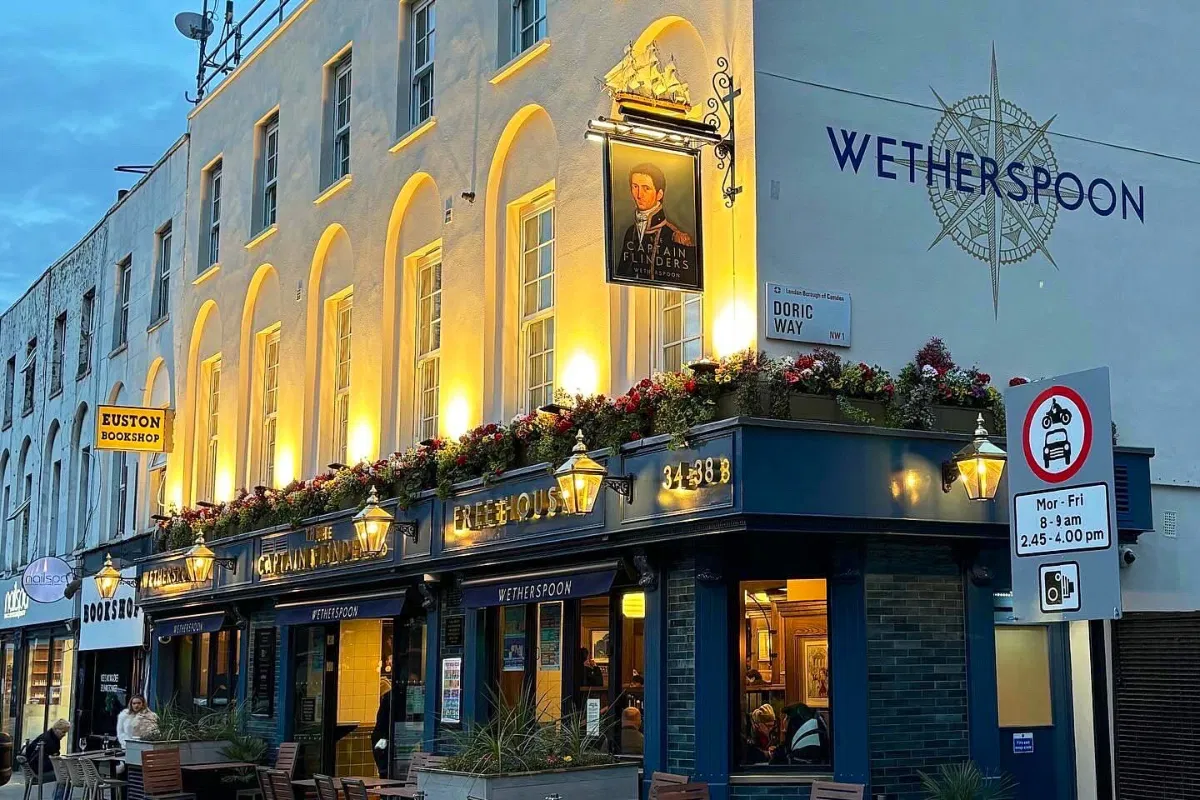
Wetherspoons, the British pub chain renowned for its affordable food and drink, is making headlines as it prepares to expand operations into Spain. This move marks a significant step in the company’s strategy to tap into international markets, particularly as tourism continues to rebound post-pandemic. With Spain being a popular destination for British tourists, the establishment of Wetherspoons in this country is expected to attract both locals and expatriates craving a taste of home.
The Expansion Plans
Wetherspoons has confirmed plans to open its first Spanish location in the coastal city of Marbella by the end of 2023. The decision comes as the company aims to blend its unique British pub experience with the vibrant local culture. According to the management, the Marbella venue will feature a traditional Wetherspoons layout, offering a diverse menu that includes classic British dishes alongside locally inspired options.
Company spokesperson, Emma Carter, stated, “We see this as a fantastic opportunity to bring the Wetherspoons experience to a new audience. Marbella is a popular spot for the British community and tourists, and we believe our unique offerings will add to the local landscape.” The initial investment for the Marbella site is estimated at around £1 million, which will go towards renovations and staff recruitment.
Local Reactions
The reaction from local businesses and residents has been mixed. While some see the expansion as a positive opportunity for tourism, others are concerned about the potential impact on existing local establishments. Carlos Fernández, a local restaurant owner, expressed mixed feelings: “More choices for tourists can only be good, but we hope Wetherspoons will respect the traditional Spanish dining and drinking culture. Balance is key.”
The Significance of This Move
Wetherspoons’ expansion into Spain is significant not only for the company but also for the broader theme of British businesses expanding abroad post-Brexit. Many firms have been cautious in their international strategies since the UK left the EU, but Wetherspoons’ decision could pave the way for others to follow suit. Furthermore, this move coincides with a resurgence in travel and hospitality markets, signalling potential recovery and growth in the sector.
Conclusion
The opening of Wetherspoons in Spain represents an exciting development for both the British pub chain and the Spanish hospitality landscape. As the company branches out from its home turf, it will be interesting to see how the local culture interacts with Wetherspoons’ established brand. Should the Marbella site prove successful, it could lead to further expansions throughout Europe, showcasing the resilience and adaptability of the hospitality sector in a post-pandemic world.
