Introduction
Waterloo Station is one of London’s busiest and most significant transport hubs, serving millions of passengers each year. Opened in 1848, the station has played a crucial role in the development of the city’s transport infrastructure. With its strategic location, Waterloo connects London to key destinations across the UK, making it a focal point for commuters and tourists alike.
Historical Significance
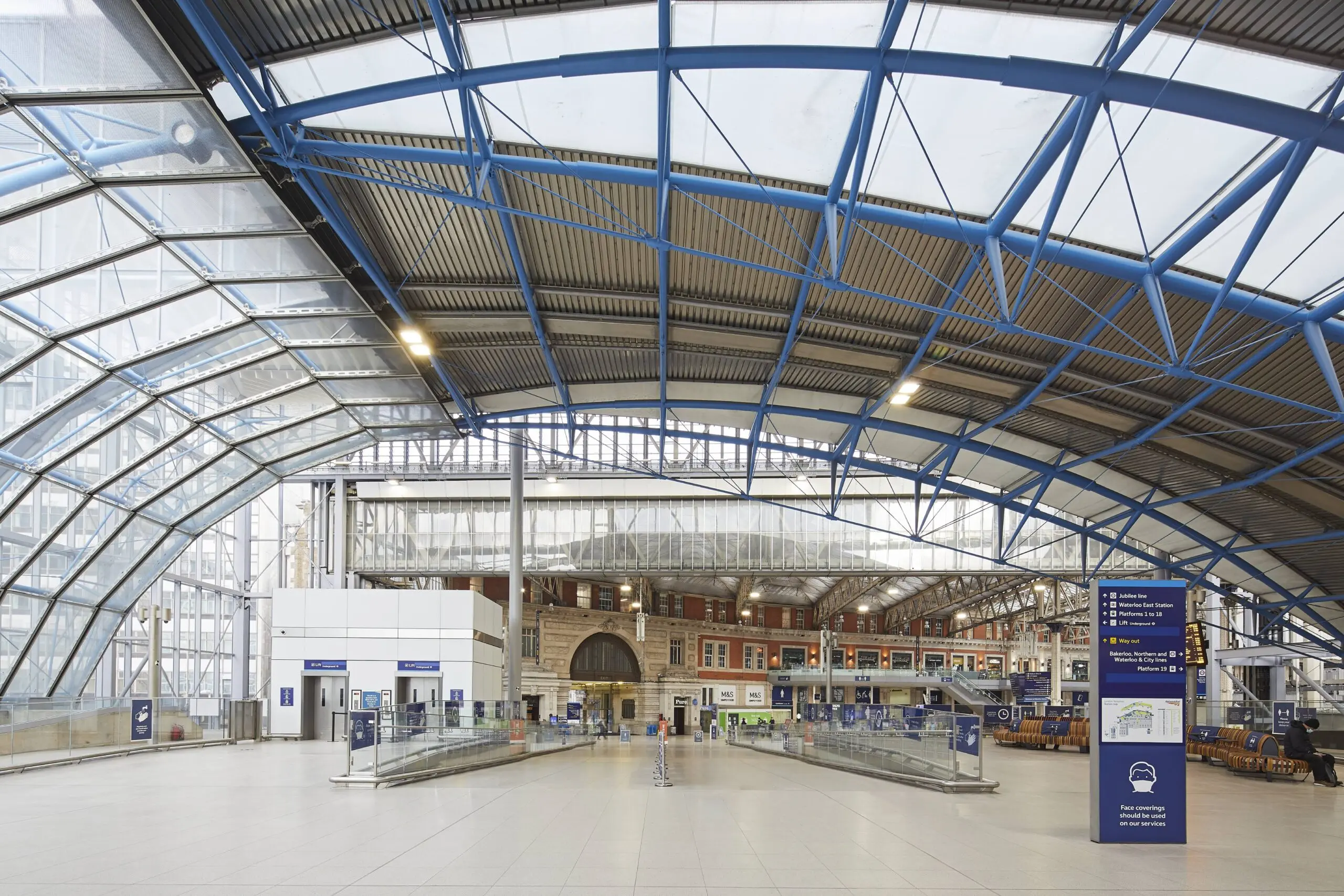
Waterloo Station was initially constructed to facilitate the growing rail travel in Victorian London. Over the years, it has undergone several renovations and expansions to accommodate the increasing number of passengers and improve services. Notable features include its iconic main concourse, the largest in Europe, which reflects the architectural grandeur of the 19th century.
Current Developments
Recent initiatives at Waterloo Station aim to enhance passenger experience and integrate modern technology. In 2022, significant upgrades were completed, including improved accessibility features and a revamped concourse area, providing more space for shops and dining options. The station has also implemented smart ticketing solutions, allowing for seamless travel across various modes of transport including trains, buses, and the underground.
Significance During Major Events
Waterloo Station’s location and services are particularly significant during large events in London, such as New Year’s Eve celebrations or major sporting events. The station’s network allows for smooth transport to key venues, showcasing its importance in managing large passenger volumes during peak times.
Conclusion
As a central part of London’s transportation framework, Waterloo Station continues to evolve while retaining its historical essence. With ongoing developments focused on enhancing passenger convenience and safety, the station is poised to remain a vital link in London’s transportation network for generations to come. Its role in connecting various regions and supporting London’s vibrant culture and economy cannot be overstated, making it an essential destination for both locals and visitors.
