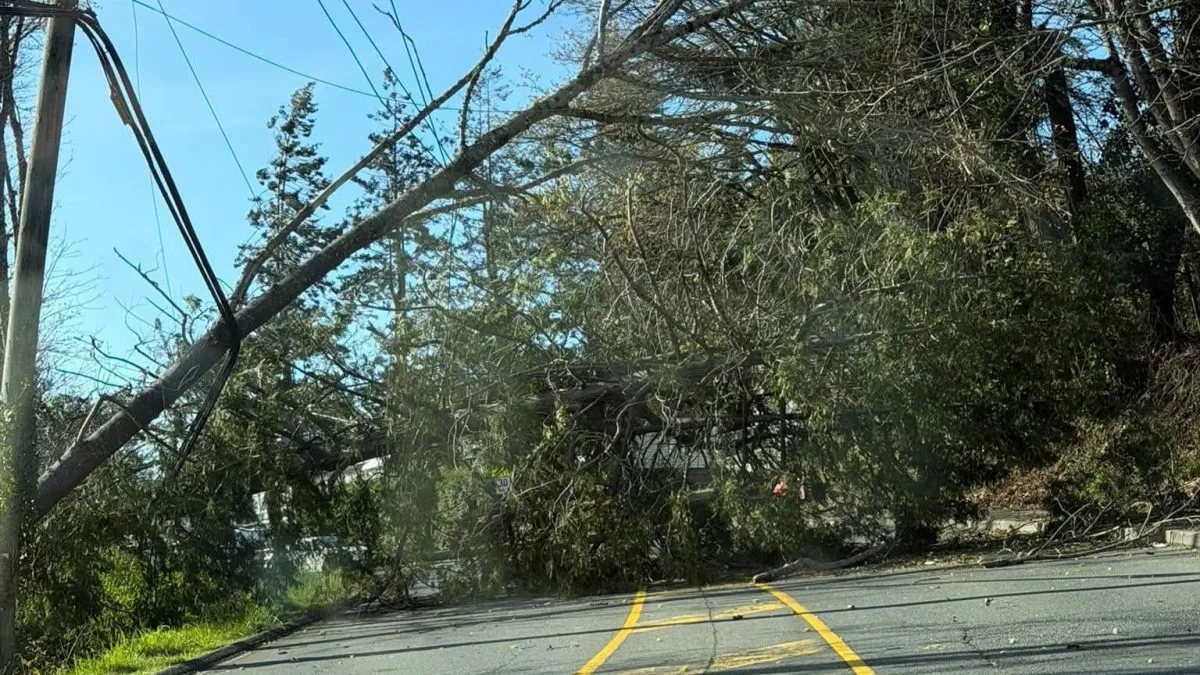
Before March 24, 2026, residents of Vancouver Island were accustomed to seasonal storms, but the expectation was that they would be manageable. However, a strong windstorm struck, leading to a dramatic shift in the situation.
As the storm intensified, BC Hydro reported that over 25,000 customers were without power early in the day. By 5 p.m., this number escalated to around 40,000, highlighting the storm’s severity. The largest outage affected over 3,000 properties in northern Parksville and French Creek, with an additional 2,700 homes and businesses in Qualicum Beach also losing electricity.
As the evening progressed, the situation worsened, with more than 53,000 customers reported without power by 6 p.m. PT. Wind gusts reached up to 100 km/h in some areas, causing widespread disruption and damage.
By 10 p.m. PT, the number of customers without power had decreased to just under 40,000, indicating that restoration efforts were underway. Wind warnings for Vancouver Island were eventually lifted after the storm passed, but the impact on the community was significant.
This storm was not an isolated incident; just two days prior, the North Quadra UPCC had been closed for a scheduled power outage, which lasted eight hours. This prior disruption may have set the stage for heightened sensitivity to the subsequent storm-related outages.
Experts note that such extreme weather events are becoming more common, raising concerns about infrastructure resilience. The rapid escalation of power outages during this storm serves as a reminder of the vulnerabilities faced by communities in the face of climate change.
Details remain unconfirmed regarding the full extent of damage and the timeline for complete restoration of power across the affected areas. As residents begin to assess the aftermath, the focus will shift to recovery and preparedness for future storms.
