Introduction
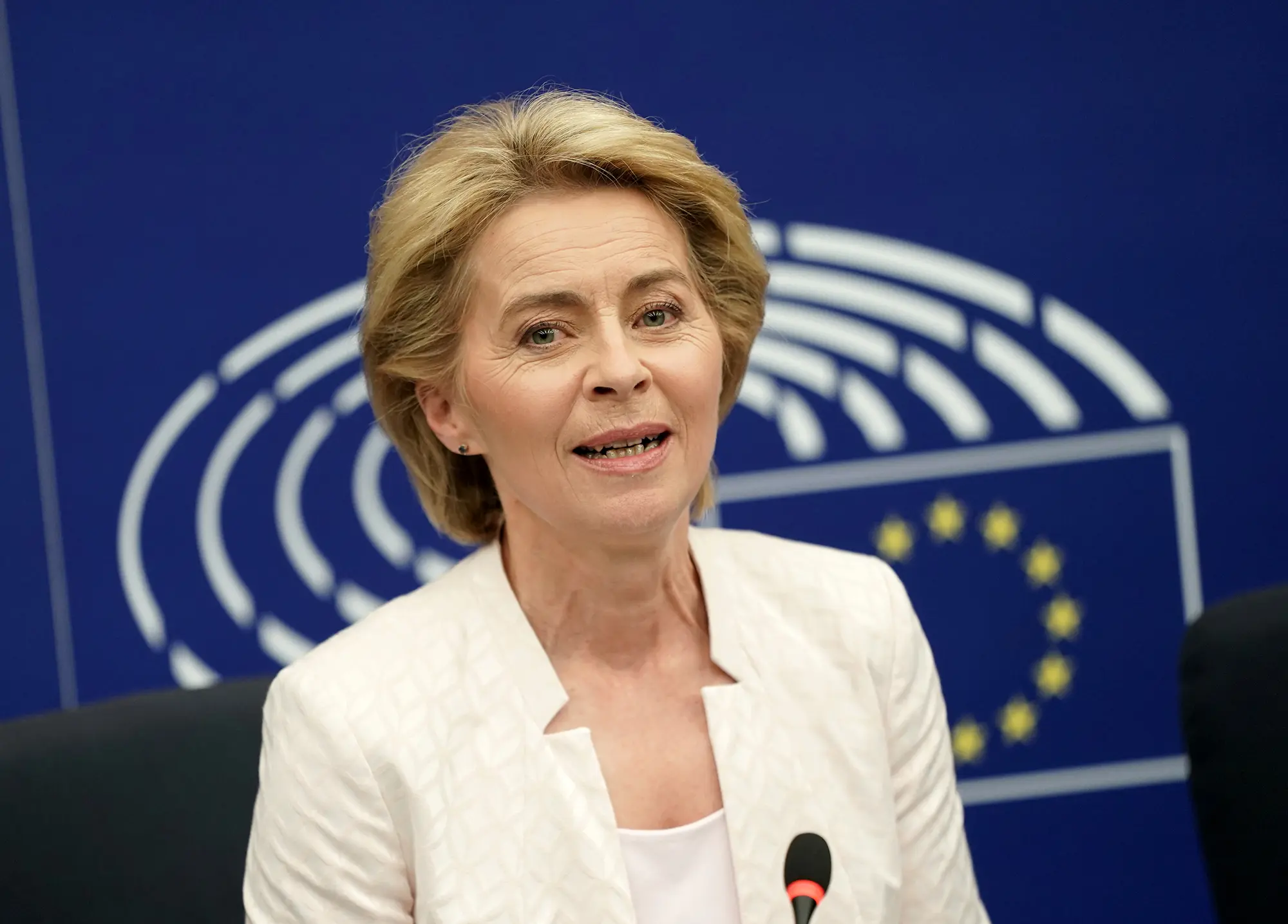
Ursula von der Leyen, President of the European Commission, has emerged as a pivotal figure in European politics since taking office in December 2019. Her leadership during critical events such as the COVID-19 pandemic and the transition to a green economy highlights her influence in shaping the European Union (EU) policies. As the EU navigates complex geopolitical challenges, von der Leyen’s decisions and actions garner significant attention.
Key Initiatives and Policies
Under von der Leyen’s guidance, the EU has embarked on ambitious projects, including the European Green Deal, aimed at making Europe the first climate-neutral continent by 2050. This initiative seeks to reduce greenhouse gas emissions, promote sustainable industries, and drive innovation while also addressing social equity in the energy transition.
Additionally, the EU’s recovery plan, NextGenerationEU, established in response to the COVID-19 pandemic, exemplifies her commitment to economic resilience. This €750 billion recovery fund aims to support member states struggling with the economic impact of the pandemic and to invest in digitalisation and ecological sustainability as foundational pillars for future growth.
Geopolitical Positioning and Responses
Von der Leyen has actively positioned the EU on the global stage amid rising geopolitical tensions, particularly regarding Russia’s invasion of Ukraine. She has urged a unified European response, endorsing numerous sanctions against Russia and providing substantial support in terms of humanitarian aid and military assistance to Ukraine. Her assertive stance on these matters underscores her role in reinforcing the EU’s geopolitical stability and its alignment in democratic values against authoritarianism.
Future Challenges
Despite her accomplishments, von der Leyen faces numerous challenges ahead. The ongoing energy crisis, exacerbated by the war in Ukraine, calls for immediate attention and long-term strategy for energy independence. Additionally, addressing migration issues and ensuring economic recovery amid rising inflation are critical areas that will shape her legacy as President of the European Commission.
Conclusion
Ursula von der Leyen’s leadership has not only redefined the EU’s response to pressing global challenges but has also set a benchmark for cooperative governance among member states. As she continues to navigate the complexities of international relations, economic recovery, and sustainable development, her influence will undoubtedly be felt in European politics for years to come. Observers will be keen to see how her initiatives will pave the way for a resilient and cohesive Europe in an ever-changing global landscape.
