Introduction
Thameslink is a crucial rail service that connects key areas of London with regional towns and cities. Its significance lies not only in providing a vital transport link for daily commuters but also in enhancing accessibility to schools, workplaces, and leisure activities across the region. Recent updates regarding service improvements, connectivity issues, and infrastructure investments make it a pertinent topic for those who rely on the Thameslink network.
Recent Developments
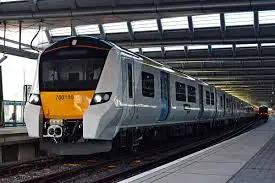
In the past few months, Thameslink has announced a series of upgrades aimed at improving the overall passenger experience. These include the introduction of new trains, enhanced station facilities, and efforts to reduce journey times. As of October 2023, the London-based service has added 25 new Class 700 trains to its fleet, increasing capacity and reliability. These modern trains come equipped with Wi-Fi and improved accessibility features, responding to consumer demand for a more comfortable travel experience.
In addition to the rolling stock improvements, Thameslink has initiated several station upgrades across its route. Stations such as East Croydon and London Bridge have seen refurbishments, including better waiting areas, ticket vending machines, and customer information systems. Furthermore, the availability of real-time travel information has been enhanced, allowing commuters to plan their journeys more efficiently.
Impact on Commuters
These improvements are part of Thameslink’s commitment to support and facilitate the growing number of passengers using its services. Recent reports indicated a surge in usage, with passenger numbers rebounding following the pandemic, reaching around 80% of pre-COVID levels. The upgrades aim to accommodate this increased demand while improving service reliability, an essential factor for daily commuters who rely on punctuality for their work and personal schedules.
Challenges Ahead
Despite the promising upgrades, Thameslink faces ongoing challenges. Reports of delays and disruptions continue to affect the service, largely due to track maintenance issues and signal failures. The company is actively working to address these problems, allocating significant resources to infrastructure improvements. Commuters are encouraged to check service alerts and updates regularly, as further developments are anticipated in the coming months.
Conclusion
The Thameslink service remains a vital component of London’s transport network, and with ongoing investments in both technology and infrastructure, significant improvements are on the horizon. As the network continues to adapt and grow, it is crucial for passengers to stay informed about the latest changes that may affect their commutes. The upgrades not only promise a more reliable service but also aim to enhance the overall travel experience for millions of users across the region.
