Introduction
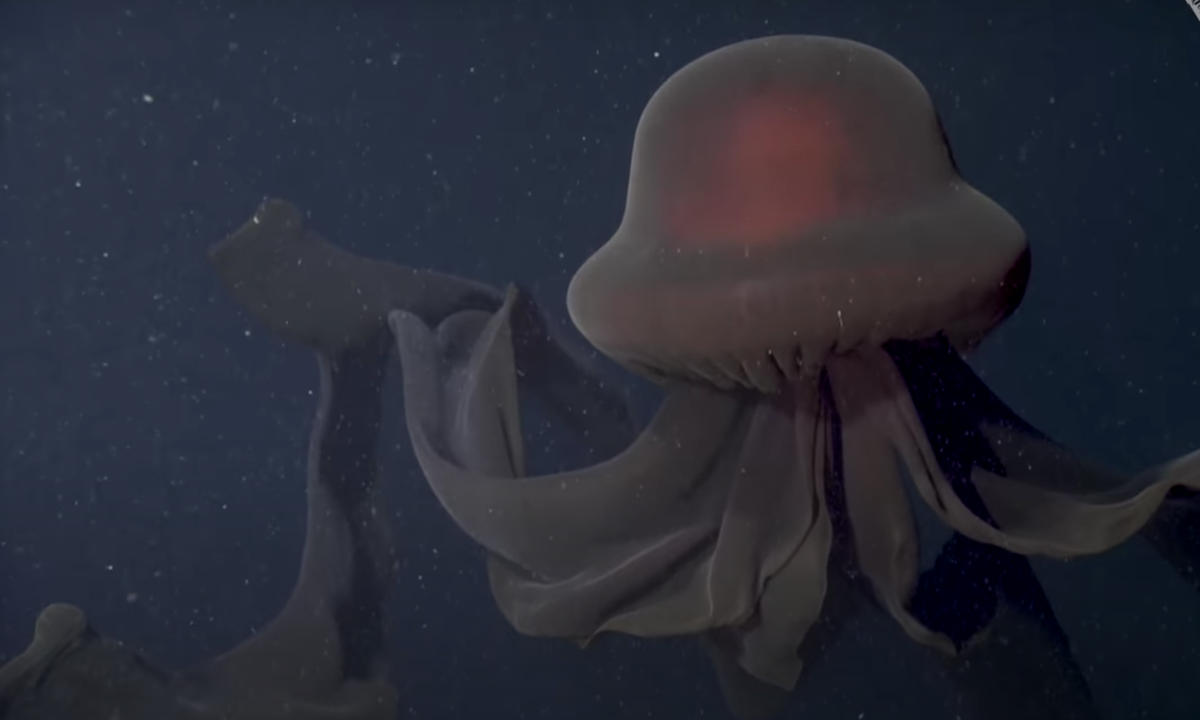
The giant phantom jellyfish, known as Stygiomedusa gigantea, is a unique and captivating creature that has caught the attention of marine biologists and ocean enthusiasts alike. With its impressive size, reaching up to 40 inches in diameter, and ethereal appearance, this jellyfish has become a symbol of the mysteries that still lie beneath our ocean’s surface. As climate change and ocean pollution pose significant threats to marine life, understanding the biology and habitat of the giant phantom jellyfish has become increasingly vital.
Recent Sightings and Research
Notable sightings of the giant phantom jellyfish have been reported along coastlines in the Pacific, notably off the shores of Hawaii and California. A recent dive expedition in September 2023 led by marine researchers from the Oceanic Institute captured rare footage of this elusive species in its natural habitat. Measuring about 2.5 metres in length, the jellyfish was seen pulsing through the water, showcasing its long, tentacle-like structures that extend gracefully in the current.
The jellyfish’s diet primarily consists of plankton and small fish, which it captures using its tentacles. Researchers are particularly interested in the creature’s bioluminescent properties, as it emits a soft glow that may play a crucial role in communication and predation. Studies suggest that understanding these mechanisms can provide insight into how jellyfish populations respond to changing ocean environments.
Ecological Significance
Giant phantom jellyfish hold great ecological significance, serving as indicators of ocean health. Their presence in certain areas can reflect changes in water temperature and salinity, serving as a barometer for environmental shifts. In recent years, jellyfish populations have been on the rise in several regions, likely due to overfishing and climate change disruptions. This phenomenon raises concerns about the balance of marine ecosystems, as jellyfish can outcompete native fish for food and habitat.
Conclusion
The ongoing research into the giant phantom jellyfish not only enhances our understanding of this remarkable species but also highlights the urgent need for conservation efforts. As marine environments continue to face challenges from human activity, monitoring species like the giant phantom jellyfish can offer critical insights into the broader implications of ecological health. Looking forward, it will be essential for researchers and policymakers to collaborate on strategies that protect these majestic creatures and their habitats, ensuring that the mysteries of our oceans are preserved for future generations.
