Introduction
Lapland, located in the northernmost part of Finland, Sweden, and Norway, is a captivating region known for its stunning landscapes, rich indigenous culture, and unique winter experiences. With the increasing popularity of eco-tourism and adventure travel, Lapland has become a key destination for those seeking to immerse themselves in nature and experience the enchanting Arctic charm. As global interest grows, it is crucial to understand what Lapland has to offer and how it’s evolving in the context of tourism.
Natural Beauty and Activities
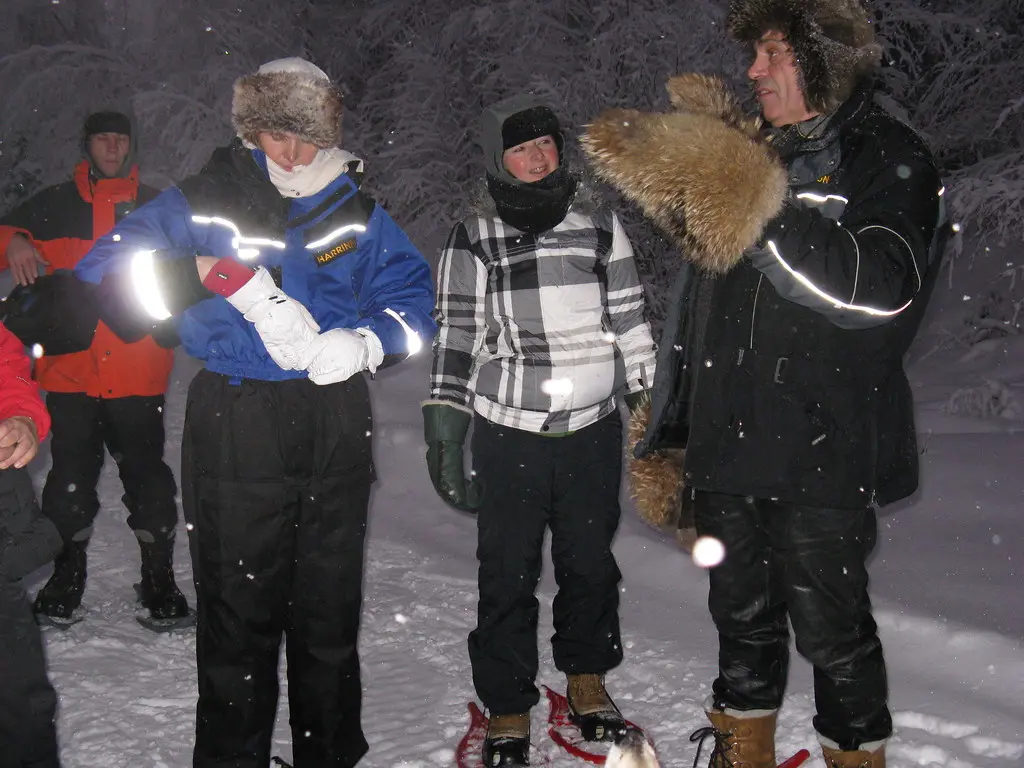
The region is characterised by its vast, untouched wilderness, which includes dense forests, pristine lakes, and the awe-inspiring Northern Lights. These natural phenomena attract thousands of tourists each year, particularly during the darker months when the auroras are most visible. Winter activities abound in Lapland; from dogsledding and snowmobiling to ice fishing and cross-country skiing, visitors can indulge in a plethora of adventures that highlight the region’s natural beauty.
In recent years, sustainable tourism initiatives have gained momentum in Lapland, as local businesses and organisations aim to promote eco-friendly activities that preserve the environment while benefiting local communities. Tour operators are increasingly adopting responsible practices to ensure that the breathtaking landscapes remain unspoiled and available for generations to come.
Cultural Heritage
In addition to its stunning scenery, Lapland is home to the Sámi people, one of the few indigenous cultures in Europe. Their rich traditions, including reindeer herding, handicrafts, and music, offer a unique insight into the region’s cultural heritage. Travellers to Lapland have the opportunity to engage with Sámi culture through various workshops and experiences, where they can learn about traditional practices and their significance.
Events such as the Sámi National Day celebrated in February have also contributed to a growing interest in the preservation of their culture, attracting visitors who wish to connect with the Sámi lifestyle and support their efforts to maintain their heritage.
Conclusion
As Lapland continues to rise in popularity as a travel destination, it holds significant potential to promote sustainable tourism and cultural exchange. The region serves as a vivid example of how nature and culture can coalesce, providing visitors with unforgettable experiences while nurturing the environment and respecting local traditions. As more travellers seek authentic experiences in untouched landscapes, Lapland stands out as a beacon of sustainable and responsible tourism, encouraging an appreciation for its magic and marvels.
