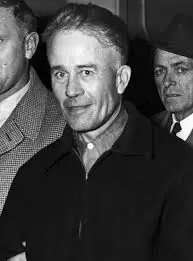
Understanding Ed Gein’s Notorious Life
Ed Gein, born in 1906, became infamous for his gruesome crimes in the 1950s, which included the heinous murders of two women. His actions not only shocked the nation but also inspired numerous horror films and literature, cementing him as a notorious figure in American criminal history. Gein’s life was marked by a troubled childhood and a domineering mother, which ultimately played a significant role in shaping his macabre behaviours.
The Allegations
Among the many gruesome stories associated with Ed Gein, allegations about the murder of a nurse have circulated for decades. However, after careful investigation, it is crucial to clarify that there is no verified evidence to support the claim that Gein killed a nurse. The confusion may stem from the horror surrounding his known victims, Mary Hogan and Bernice Worden, whose murders were far more public and extensively documented.
Gein’s Confirmed Crimes
Mary Hogan, a bar owner, was one of Gein’s first known victims, disappearing in 1954. Her body was discovered later in Gein’s home, revealing the extent of his depravity. Bernice Worden, the local hardware store owner, was also a victim of Gein, who allegedly killed her and used body parts for various grotesque purposes. His capture in 1957 led to the investigation of his home, which was filled with items made from human remains, intensifying his notoriety.
The Impact of His Crimes
Gein’s crimes shocked the small community of Plainfield, Wisconsin, and drew national media attention. The implications of his actions reached beyond local borders, leading to a discussion on mental health, societal norms, and the nature of evil. Though his legend has inspired a plethora of films, including “Psycho” and “The Texas Chainsaw Massacre,” it is essential to differentiate fact from fiction. Gein did not have any known connection to a nurse, echoing the need for accurate representations in popular culture.
Conclusion
In summary, while Ed Gein remains a figure of intrigue within the annals of criminal history, the suggestion that he killed a nurse is unfounded and based primarily on mythos surrounding his horrific actions against other victims. As we continue to grapple with understanding the psyche of individuals like Gein, it’s vital to maintain factual accuracy to prevent misinformation and misrepresentation. Given Gein’s substantive psychological issues, his case serves as a reminder of the complex layers of human behaviour and the importance of mental health awareness.
