In a significant response to the ongoing war in the Middle East, universities across Canada are stepping up to support international students who are facing unprecedented challenges. Institutions such as the University of Victoria, Queen’s University, and Carleton University have announced various measures to assist students impacted by the conflict. These initiatives include exam deferrals, extensions on tuition payments, and enhanced mental health resources.
The University of Victoria is providing tailored support for students with ties to Iran, offering special bursary funding and lifting holds on registration on a case-by-case basis. This initiative comes as many Iranian students struggle to maintain their academic progress amid the turmoil back home. With over 23,000 study permit holders from Iran currently in Canada, the university’s actions are crucial for those who may be experiencing heightened anxiety and uncertainty.
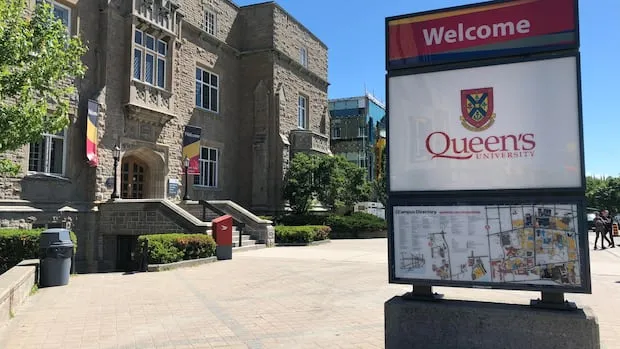
Queen’s University has also taken steps to alleviate the financial burden on its students. The institution is allowing extensions on winter tuition and fee payments without imposing late penalties. Additionally, they are providing access to emergency bursaries and expanding mental health support services. A spokesperson from Queen’s University emphasized the importance of encouraging affected students to reach out for assistance as they navigate these challenging circumstances.
Carleton University is similarly focused on providing flexibility for affected students. The university is allowing students to defer exams and is reviewing requests for tuition relief. This flexibility is vital for students who may be dealing with personal crises or difficulties in communication with family members in conflict zones. As Amir Moghadam, an advocate for Iranian students, pointed out, many students are unable to contact their families or transfer money, leaving them in a state of distress.
McGill University has also reached out to students from several Middle Eastern countries, informing them of available academic accommodations and mental health resources. This proactive communication is essential for ensuring that students are aware of the support systems in place to help them cope with the emotional and financial impacts of the war.
In addition to these measures, the University of Toronto Graduate Students’ Union has introduced an emergency grant program that provides up to $1,000 to students facing financial hardship due to crises. This financial support can be a lifeline for those struggling to meet their educational expenses amid the ongoing conflict.
Data from Immigration, Refugees and Citizenship Canada highlights the scale of the issue, revealing that there are approximately 1,800 study permit holders from Lebanon in Canada, alongside the significant number from Iran. The rising death tolls from the war, with reports indicating 1,900 deaths in Iran and 1,300 in Lebanon, underscore the urgency of these support measures.
As these universities implement their support initiatives, the broader context of the war in the Middle East continues to unfold. The impacts of such conflicts on international students are profound, and as Amir Moghadam noted, similar situations will likely arise for different communities in the future. It is crucial that universities remain prepared with support systems to assist students during such crises. Jay Magus, a spokesperson for infrastructure projects in Saskatoon, remarked on the necessity of ongoing support and development, stating, “These situations will keep happening to different communities at different times. The supports should already be in place when they do.”
