Introduction
Zombieland, a unique blend of comedy and horror, has become a significant landmark in modern film since its release in 2009. Directed by Ruben Fleischer, the film follows a group of survivors navigating a post-apocalyptic world overrun by zombies. Its importance lies not just in its entertaining plot and memorable characters but also in how it has influenced both the zombie genre and popular culture at large. As the world embraces new forms of storytelling in film and television, understanding Zombieland’s impact reveals much about audience tastes and cinematic innovation.
The Plot and Characters
Set in a zombie apocalypse, Zombieland features a quirky group of survivors, including a timid college student named Columbus (Jesse Eisenberg), the tough and resourceful Tallahassee (Woody Harrelson), and the cunning sisters Wichita (Emma Stone) and Little Rock (Abigail Breslin). They navigate the perils of a world filled with the undead while adhering to a set of self-imposed survival rules. The film’s comedic elements, coupled with a heartfelt exploration of friendship and family, attracted a diverse audience, distinguishing it from more traditional horror films.
Cultural Significance
Upon its release, Zombieland received critical acclaim for its clever writing and charismatic performances. It was celebrated for its fresh take on the zombie genre, which had been dominated by more serious narratives. With iconic lines and memorable scenes, the film carved out a space for humor in horror and reinvigorated interest in zombie-themed entertainment. This wave of zombie media continued through television series like The Walking Dead, which owes some degree of its success to the cultural shift Zombieland helped initiate.
Legacy and Future
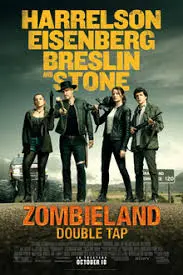
The success of Zombieland led to the release of a sequel, Zombieland: Double Tap, in 2019, which continued the story of the beloved characters and introduced new ones. The sequel demonstrated that the original film’s charm could still resonate a decade later. Furthermore, Zombieland’s innovative approach to blending genre conventions continues to inspire filmmakers today, as seen in recent productions that mix horror with other genres.
Conclusion
Zombieland is more than just a comedy-horror film; it is a cultural phenomenon that reflects shifting audience preferences and the evolution of genre storytelling. Its legacy remains evident as it continues to resonate with both old and new viewers, shaping the landscape of zombie narratives and beyond. As new adaptations and re-imaginings emerge, Zombieland will undoubtedly continue to serve as a benchmark for successful genre-blending in cinema.
