Introduction: The Importance of Understanding Political Classification
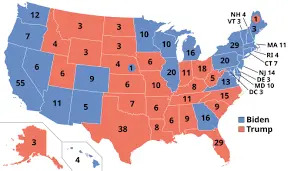
Determining whether a state is classified as red or blue is crucial in understanding its political landscape, voting patterns, and the implications for national elections. A ‘red state’ typically refers to one that predominantly supports the Republican Party. Utah’s political identity has become a topic of interest, particularly as the nation witnesses shifting demographics and political ideologies over time.
Utah’s Political History
Utah has long been considered a stronghold for the Republican Party, often showing overwhelming support during presidential elections. In the 2020 elections, for instance, Donald Trump secured over 58% of the votes, while the Democratic candidate garnered only around 37%. This voting pattern aligns with the state’s cultural and ideological leanings, heavily influenced by the predominant LDS (Latter-day Saints) community, which largely supports conservative policies.
Current Events and Trends
Recent data indicates that Utah continues to lean red, with Republican candidates winning major statewide positions in the 2022 midterm elections. Utah’s current Governor, Spencer Cox, a Republican, was elected with a significant majority, further solidifying the state’s reputation as a red state. However, there have been emerging trends that suggest a shift in some urban areas like Salt Lake City, which are gradually becoming more politically diverse and leaning toward Democratic candidates.
Implications of Utah’s Political Affiliation
The classification of Utah as a red state has significant implications for national politics. Its support for conservative policies often reflects national Republican platforms on issues such as tax reform, healthcare, and education. Additionally, the strong Republican presence in Utah contributes to the party’s overall strength in the Senate and House of Representatives, influencing legislative agendas on a national level.
Conclusion: What Lies Ahead for Utah’s Political Identity?
As of now, Utah remains firmly classified as a red state, with strong Republican influence across various sectors. However, ongoing demographic changes and the growing diversity within urban populations could signal potential shifts in the future. Observers will be watching closely to see if Utah can maintain its conservative identity in light of these trends or if a more balanced political spectrum may emerge over the coming years. Understanding these dynamics is vital for voters and political analysts alike as they navigate the evolving landscape of Utah’s politics.
