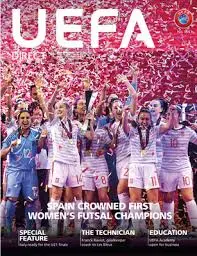
Introduction to UEFA
The Union of European Football Associations (UEFA) is one of the most influential governing bodies in the world of sports, overseeing football across Europe. Established in 1954, UEFA is crucial for the organisation and regulation of football competitions, including prestigious tournaments such as the UEFA Champions League and UEFA European Championship. Its importance extends beyond merely running matches; it influences the sport’s governance, development, and growth on the continent.
UEFA’s Role and Responsibilities
UEFA is responsible for promoting and developing football throughout Europe, ensuring that the sport adheres to its governing regulations. This includes overseeing competitions at all levels, implementing fair play policies, and investing in grassroots development. Recent initiatives have focused on sustainability and inclusivity, aiming to make football accessible to all, regardless of age, gender, or ability. The UEFA Foundation for Children plays a significant role in such outreach, helping underprivileged children through football-related activities.
Current Events in UEFA
As of October 2023, UEFA faces critical challenges and opportunities. The recent expansion of the UEFA Champions League to include more teams has generated a mixed response. While this increase promises more matches and greater inclusivity for clubs, concerns over the wealth disparity between top-tier teams and lower-level clubs have emerged. The 2023-2024 UEFA Champions League season has commenced, with clubs across the continent vying for the prestigious title amidst heightened competition.
Additionally, the UEFA European Football Championship, commonly known as the Euros, has started preparations for its next edition in 2024, hosted by Germany. The tournament is expected to be a showcase of Europe’s best talents, and its significance in promoting national unity and sporting excellence cannot be overstated.
Conclusion: The Future of UEFA
Looking forward, UEFA’s influence will continue to shape the landscape of European football. Policies aimed at financial fair play and the ongoing evolution of tournament formats illustrate the body’s commitment to a sustainable future for the sport. As football navigates through economic challenges and the recovery from the pandemic, the significance of UEFA in maintaining competitive balance and fostering development in the sport has never been more profound. For fans and stakeholders, understanding UEFA’s strategies and decisions will be vital in the coming years as the sport continues to grow and evolve.
