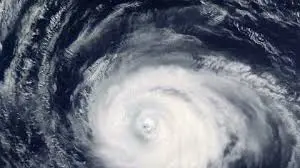
Introduction to Tropical Cyclones
Tropical cyclones, also known as hurricanes or typhoons in different parts of the world, are powerful storms that develop in warm tropical waters. They can have devastating effects on communities, resulting in loss of life, destruction of property, and long-term environmental impacts. As climate change continues to influence weather patterns, the frequency and intensity of these storms are becoming increasingly important topics for discussion.
Recent Events Involving Tropical Cyclones
In recent months, several tropical cyclones have made headlines globally. Most notably, Cyclone Freddy, which struck the southern coast of Africa in early 2023, has been marked as one of the longest-lived tropical cyclones on record. After forming in the Indian Ocean, Freddy caused severe flooding and destruction in Madagascar and Mozambique, leaving hundreds dead and many more displaced.
Moreover, the Pacific region recorded notable cyclones as well, including Cyclone Gabrielle, which impacted New Zealand. The storm triggered extensive flooding and landslides across North Island, prompting evacuations and significant government aid for recovery efforts. The aftermath of such storms is a stark reminder of the ongoing climate crisis and the necessity for improved disaster preparedness.
The Impact of Climate Change
Experts warn that climate change is exacerbating the conditions under which tropical cyclones thrive. Rising ocean temperatures contribute to the intensity and frequency of these storms, leading to more severe weather events. According to a report by the Intergovernmental Panel on Climate Change (IPCC), as global temperatures continue to rise, regions that are prone to tropical cyclones will experience more extreme events.
Conclusion and Future Outlook
The increased occurrence of tropical cyclones poses a significant challenge for governments and humanitarian organisations around the world. With projections indicating that the intensity of these storms will continue to rise, it is imperative for countries to invest in disaster preparedness and response strategies. Adaptation and resilience planning are essential to mitigate the impacts on vulnerable populations. As we advance into the cyclone season, staying informed and prepared can help communities better cope with the challenges posed by these formidable weather systems.
