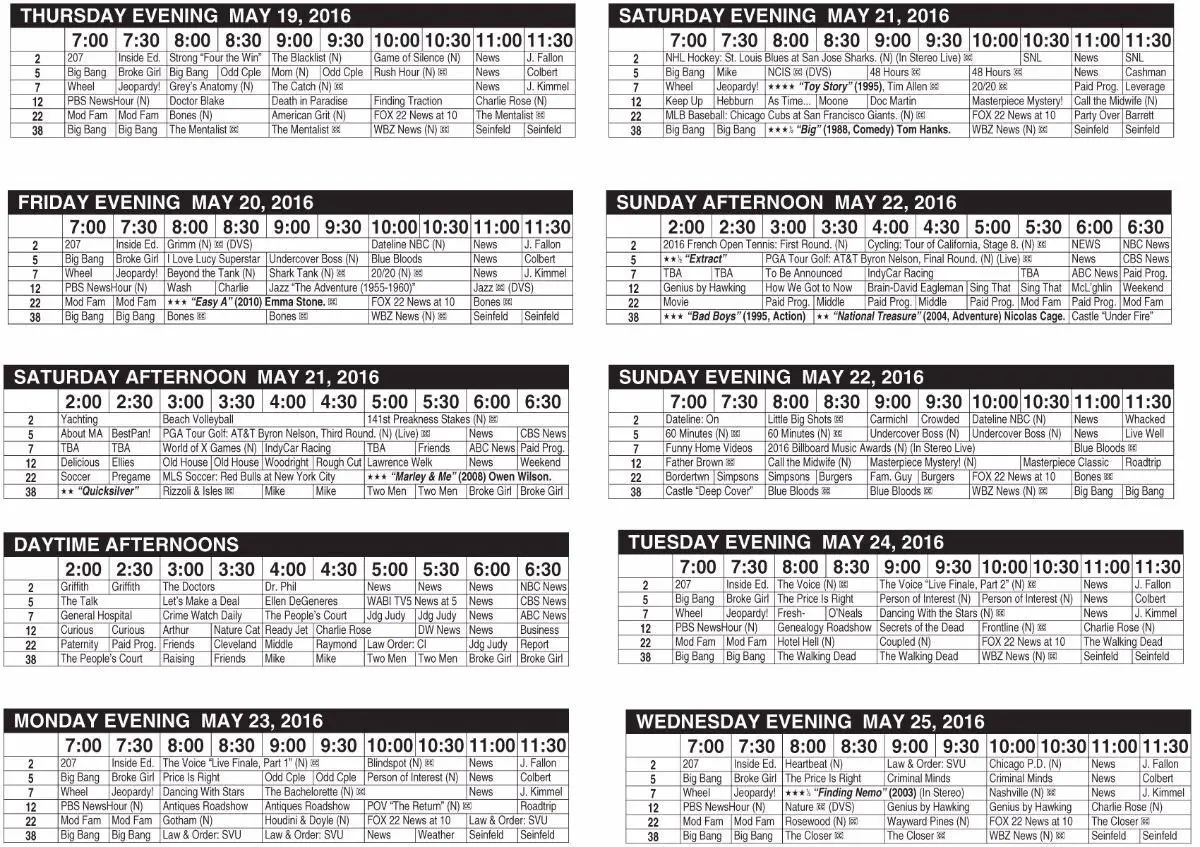
The Importance of TV Listings
In a media landscape where viewers have an abundance of choices, TV listings play a crucial role in guiding audiences through their viewing options. As the television industry continues to evolve, keeping track of programming is more important than ever for consumers and networks alike. TV listings not only help viewers find their favourite shows but also inform them about new content and scheduling changes.
Current State of TV Listings
As of October 2023, television remains a dominant form of entertainment. According to recent data from Ofcom, 81% of UK adults watch television each week, with viewers spending an average of 3.5 hours per day in front of the screen. With the rise of streaming services such as Netflix, BBC iPlayer, and Amazon Prime Video, traditional TV listings are undergoing a transformation. Networks are not only competing with each other but also with a multitude of digital platforms that offer on-demand content.
Shifts in Viewing Habits
One significant shift noted in the latest reports is the increase in binge-watching, with 70% of viewers opting to watch multiple episodes in one sitting. This trend is reshaping how networks schedule their programming, as many are now releasing entire seasons at once. Despite this, live television still holds its ground, particularly for events like sports and reality TV.
Upcoming Changes and Significance
Looking ahead, TV listings are set to play a pivotal role in the upcoming winter season. Major networks are preparing to launch their highly anticipated winter schedules, including holiday specials, new series debuts, and mid-season replacements. Viewers can expect to see numerous returning favourites as well as new contenders vying for prime time slots.
Forecast and Audience Engagement
The ever-evolving nature of TV listings means that engagement through digital platforms is becoming increasingly vital. The shift towards online listings via websites and apps allows for real-time updates and increases accessibility for viewers. With viewers becoming more tech-savvy, it’s essential for networks to adapt accordingly. Anticipated changes include personalised recommendations and enhanced user interfaces to improve viewers’ experiences.
Conclusion
In conclusion, TV listings are not just a practical tool for finding shows but an integral aspect of the broader television viewing experience. As viewing habits continue to shift towards on-demand services while still valuing live broadcasts, networks must innovate to remain relevant. For viewers, staying informed about TV listings now means being part of a dynamic landscape that merges traditional programming with modern technology. As we gear up for the winter season, understanding TV listings will enhance not only your viewing experience but also keep you connected to the cultural zeitgeist of television.
