Introduction
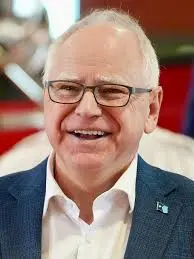
Tim Walz, the 41st Governor of Minnesota, has become a significant figure in American politics since taking office in January 2019. His leadership is particularly relevant in the context of the ongoing efforts to address various challenges facing the state, including healthcare, education, and economic recovery following the COVID-19 pandemic. Understanding his initiatives and policies provides insight into the Democratic governance style and the strategic direction of Minnesota under his administration.
Current Initiatives and Policies
Governor Walz has prioritized a comprehensive approach to COVID-19 response and recovery, leading initiatives aimed at public health and economic revitalisation. He has championed equitable vaccine distribution, ensuring that communities of colour and underserved populations have access to vaccinations. In addition, Walz’s administration has focused on providing financial relief to families and small businesses affected by the pandemic, with various stimulus packages leading to significant budget allocations for economic recovery.
Education has also been high on Walz’s agenda. He has proposed funding increases for public schools and has advocated for addressing disparities in educational outcomes. His emphasis on mental health resources in schools is intended to support students’ wellbeing, an issue that has become increasingly critical in a post-pandemic era.
Community Engagement
Another important aspect of Walz’s governorship is his focus on community engagement and inclusivity. He has promoted initiatives that encourage public input on legislative decisions, fostering transparency and accountability. His administration has made significant efforts to engage with Indigenous communities, aiming to reconcile historical injustices and improve collaboration in governance.
Looking Ahead
As Governor Walz approaches re-election, his administration’s record will be closely scrutinised. His ability to manage the state’s challenges effectively will be pivotal in shaping voter sentiment. Observers expect that issues such as housing, climate change, and public safety will be at the forefront in the upcoming political season.
Conclusion
Tim Walz’s governorship presents a compelling narrative of leadership amidst adversity. His policies and initiatives reflect a commitment to health, education, and economic recovery, essential for a resilient Minnesota. As the state continues to navigate its path forward, the legacy of Walz’s decisions will undoubtedly influence Minnesota’s future and offer lessons to other states facing similar challenges.
