Introduction
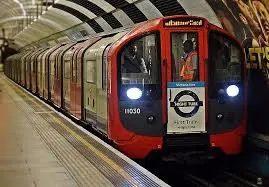
The Victoria Line, inaugurated in 1968, is one of the most vital routes of the London Underground system, serving millions of passengers yearly. Connecting diverse areas such as Brixton and Walthamstow, this line plays a crucial role in facilitating commutes and enabling access to major city events and attractions. Its efficient service makes it essential for both locals and tourists navigating the bustling city of London.
Recent Developments and Importance
In recent months, the Victoria Line has witnessed significant upgrades and improvements. Transport for London (TfL) has invested in enhanced technology for train signals and control systems, aimed at increasing the frequency of trains and reducing delays. These improvements are part of a broader strategy to modernise the entire underground network and improve the user experience.
Additionally, there has been a surge in ridership following the relaxation of COVID-19 restrictions. According to TfL statistics, the Victoria Line has been one of the fastest recovery lines, with weekday passenger numbers approaching pre-pandemic levels. The line proved essential during major events like the coronation celebrations and summer festivals, showcasing its capacity to manage large crowds efficiently.
Operational Efficiency and Connections
The Victoria Line is known for its high frequency, with trains arriving every 2-3 minutes during peak times. This makes it particularly attractive for commuters travelling to and from central London. Furthermore, the line intersects with several other key Underground lines and rail services, including the National Rail at Brixton and the Piccadilly Line at Green Park. This connectivity enhances the overall efficiency of London’s public transport ecosystem.
With the ongoing investments in infrastructure and technology, the Victoria Line is expected not only to maintain its status as a vital transit artery for London but also improve its service offerings further in the coming years. Upcoming enhancements include the introduction of new trains designed to provide a smoother ride and better accessibility for all passengers.
Conclusion
The Victoria Line remains a cornerstone of London’s transport network, with its continual enhancements reflecting the demands of a growing metropolitan area. As the city evolves, the line’s ability to adapt and cater to increasing passenger numbers highlights its importance in daily London life. With reliable services, enhanced connectivity, and ongoing developments, the Victoria Line is set to remain a critical component of urban mobility in London.
