Introduction
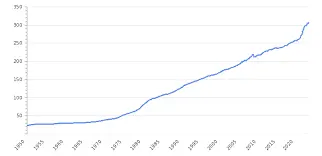
The Consumer Price Index (CPI) is a critical economic indicator that measures the average change over time in the prices paid by consumers for goods and services. Its relevance cannot be overstated, as it directly affects inflation rates, purchasing power, and monetary policy decisions. In recent months, shifts in the US CPI have garnered significant attention from economists, policymakers, and the general public alike, particularly in light of the volatile economic environment shaped by the COVID-19 pandemic and geopolitical tensions.
Recent CPI Trends
According to the latest report from the Bureau of Labor Statistics (BLS), the US CPI increased by 0.4% in September 2023, following a 0.1% rise in August. Year-over-year, the CPI has risen 3.7%, down from 9.1% in June 2022 but still prompting concerns over cost-of-living issues for many Americans. Key contributors to the September increase included higher prices for shelter, food, and energy, which make up a significant portion of consumer spending.
Sector Analysis
Breaking down the data, the shelter index alone rose by 0.5%, reflecting the ongoing housing market dynamics. Food prices also saw an uptick, with the index rising by 0.5% as well. Energy costs, while down from previous peaks, are still higher than they were a year ago, underlining the complexities of global oil markets and supply chain disruptions.
Implications for Consumers and Policymakers
For consumers, rising CPI indicates a decrease in purchasing power, as wages do not always keep pace with inflation. This scenario complicates household financial planning, with many Americans tightening their budgets. Policymakers, particularly the Federal Reserve, closely monitor these figures to inform decisions on interest rates and inflation control strategies. There’s significant debate on whether now is the time for further rate hikes or if the current rates should be maintained to avoid stifling economic growth.
Conclusion
The US CPI remains a vital barometer of economic health, reflecting consumer buying habits and inflation trends. As we look to the future, analysts predict that inflation pressures may continue to ease, but this will likely depend on factors such as global supply chains, labour market dynamics, and ongoing geopolitical events. Understanding the CPI and its fluctuations will therefore be crucial for consumers and policymakers alike as they navigate an uncertain economic landscape.
