Introduction
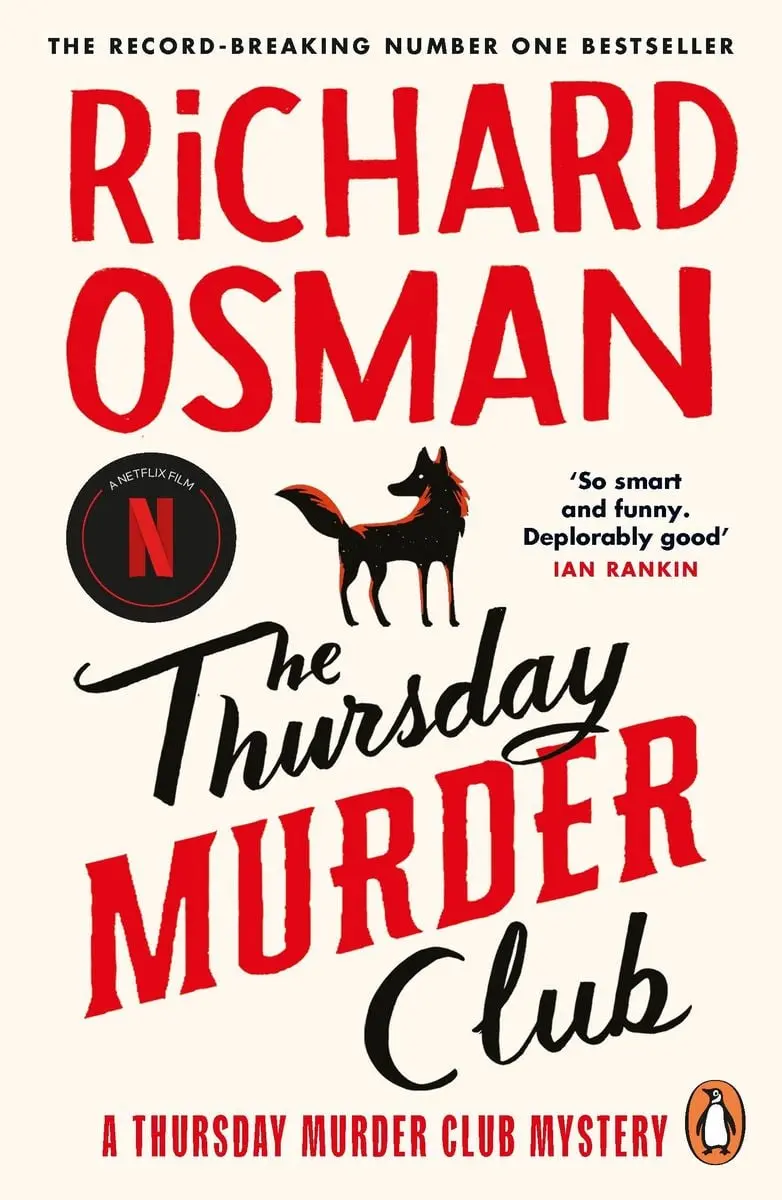
The Thursday Murders Club, a fictional group of retirees solving cold cases in Richard Osman’s bestselling series, has captivated readers worldwide. The appeal of this unique blend of crime, humour, and heart resonates strongly, particularly as we seek engaging narratives that foster a sense of community and minimize isolation among the elderly. As societal conversations surrounding ageism and the value of seniors continue to evolve, Osman’s works position older characters as integral players in mystery stories.
The Rise of the Thursday Murders Club
Since the release of the first book, The Thursday Murder Club, in September 2020, the series quickly gained traction and became a bestseller. It follows four pensioners living in a retirement village as they navigate unsolved crimes and bring their unique perspectives to the table. The characters, notably Elizabeth, Joyce, Ron, and Ibrahim, have struck a chord with readers who appreciate their charm and wit amidst the suspenseful backdrop of murder mysteries.
The narrative’s success highlights an emerging trend in crime fiction, where older protagonists are no longer relegated to the sidelines. Instead, they take a central role, showcasing the vitality and sharpness of elderly individuals. Following the success of Osman’s debut, a sequel titled The Man Who Died Twice was released in September 2021, further expanding the universe of the Thursday Murders Club and its adventures.
Impact on Crime Fiction
Osman’s writing style combines traditional whodunit elements with modern storytelling techniques, engaging a broad demographic. The inclusion of social commentary about ageing, friendship, and memory adds depth, appealing not only to older readers but also to a younger audience looking for relatability in character-driven narratives.
Furthermore, with the rise of online book clubs and reading communities, the series has sparked discussions that extend beyond the plot. Fans of the Thursday Murders Club have taken to social media, sharing their thoughts and building connections over their love for the books. This trend reflects a shift towards collaborative reading experiences that allow readers to engage with literature more profoundly.
Conclusion
The Thursday Murders Club series signifies a timely exploration of age and capability in literature. Richard Osman’s success demonstrates how stories featuring older protagonists can not only capture the imagination but also challenge stereotypes about seniors. As the series continues to grow, it may pave the way for future publications that celebrate the talents and narratives of older characters. With its humour, engaging plot, and sense of community, the Thursday Murders Club likely has more captivating mysteries to unfold in the future, ensuring its relevance in both the literary world and broader societal discussions.
