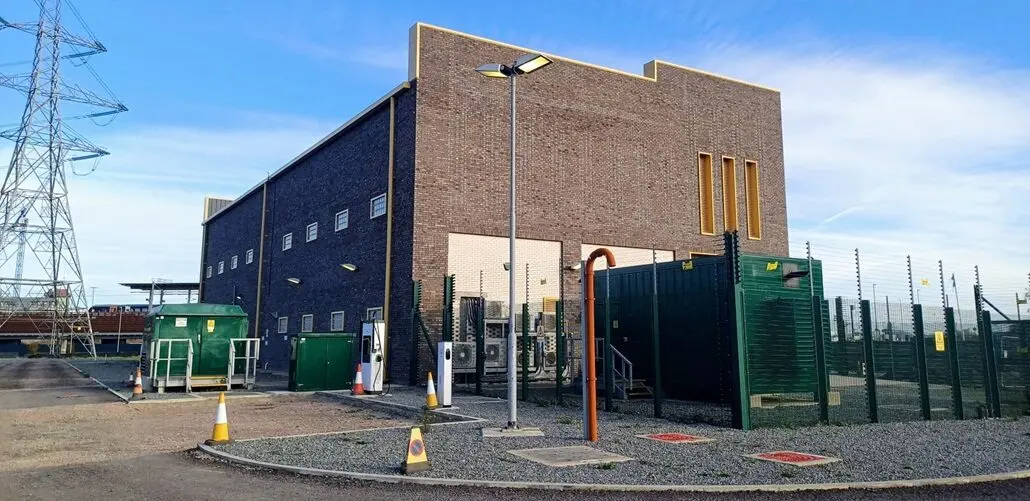
Introduction
The National Grid is a vital component of the UK’s energy infrastructure, responsible for the transmission of electricity from power plants to homes and businesses. Given the ongoing discussions around energy efficiency, sustainability, and climate change, understanding the significance of the National Grid has never been more important. As the UK seeks to transition to greener energy sources, the National Grid must adapt to ensure reliability and sustainability.
Current Developments
Recent reports indicate that the National Grid is undergoing significant upgrades to enhance its capabilities. With the increasing integration of renewable energy sources such as wind and solar, the National Grid faces the challenge of balancing supply and demand amidst growing fluctuations. The National Grid’s operation is now more complex than ever, as renewable sources often produce energy when it is least needed or insufficiently when demand peaks.
In July 2023, National Grid ESO (Electricity System Operator) launched a new flexibility scheme aimed at encouraging electricity providers to use more flexible resources during peak demand. The project is expected to improve grid stability and reliability, particularly as the UK’s renewable energy capacity is projected to exceed 50% by 2030. Alongside these initiatives, the government recently announced an investment of £400 million towards the development of energy storage technologies to further enhance grid capabilities.
Challenges and Opportunities
However, the transition to a green energy grid does not come without challenges. The increasing incidents of extreme weather events linked to climate change pose significant risks to grid reliability. The recent winter storms in early 2023 demonstrated how vulnerable the system can be to severe weather, leading to outages that affected thousands of households.
Moreover, the UK’s aging infrastructure is another pressing issue. The National Grid must not only modernise to embrace renewable energy technologies but also address the wear and tear of existing power lines and substations. Addressing these challenges presents an opportunity for considerable investment in technological enhancements that could further stimulate the economy.
Conclusion
The National Grid remains a cornerstone of the UK’s energy landscape, pivotal in transitioning towards a sustainable energy future. As the nation progresses towards its goal of net-zero emissions by 2050, the necessity of modernising the grid cannot be overstated. The coming years are crucial in determining how effectively the National Grid can integrate renewable energy, respond to demand, and manage its resilience against climate change. For the future, the National Grid’s ability to adapt will be significant not only for energy distribution but also for the overall health of the UK economy and environment.
