Introduction
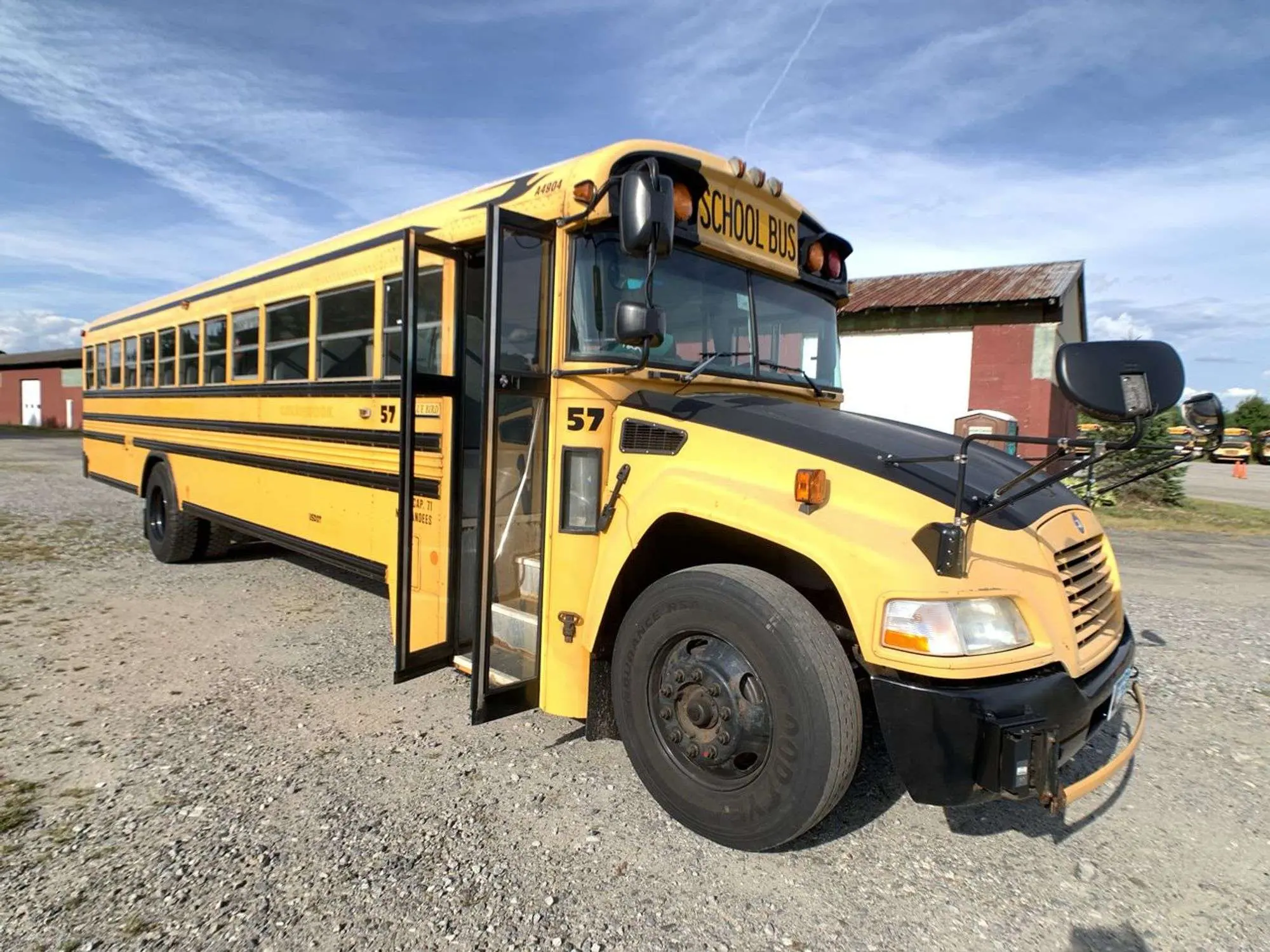
School buses play a vital role in the education system, facilitating the safe and efficient transportation of millions of students nationwide. As educational institutions continue to embrace the critical need for student safety and accessibility, the importance of school buses has never been more pronounced. In light of recent events emphasizing safety in schools, the relevance of school bus services has come to the forefront of discussions among parents, educators, and policymakers.
Safety Measures and Regulations
A significant concern for parents is the safety of their children during transit. In the UK, school buses are subject to stringent safety regulations designed to protect students. These regulations include mandatory seat belts, regular safety inspections, and training for drivers. Furthermore, the introduction of additional safety measures, such as monitoring systems and enhanced driver training programs, has helped to mitigate risks, making school buses one of the safest modes of transportation for students.
Environmental Benefits
Using school buses also contributes positively to the environment by reducing the carbon footprint associated with multiple individual car trips. According to a study conducted by the National Association of State Directors of Pupil Transportation Services, one school bus can replace up to 36 cars on the road. With growing concerns about air quality and climate change, embracing school bus transportation presents an opportunity for schools and communities to promote sustainable practices.
Accessibility and Costs
Accessibility is another crucial aspect of school bus services. For many families, school buses provide an essential solution, particularly in rural areas where public transport options may be limited. Additionally, the financial implications of school transportation cannot be overlooked. By opting for school bus services, many families can reduce transportation costs, making education more affordable and accessible.
Conclusion
In conclusion, school buses are an integral component of the educational landscape, impacting safety, environmental sustainability, accessibility, and cost-effectiveness. As communities and educational institutions continue to navigate the complexities of modern schooling, the essential role of school buses cannot be understated. Future investments in school transportation systems will not only enhance the safety and reliability of student transit but also foster an environment that prioritizes the well-being of all students.
