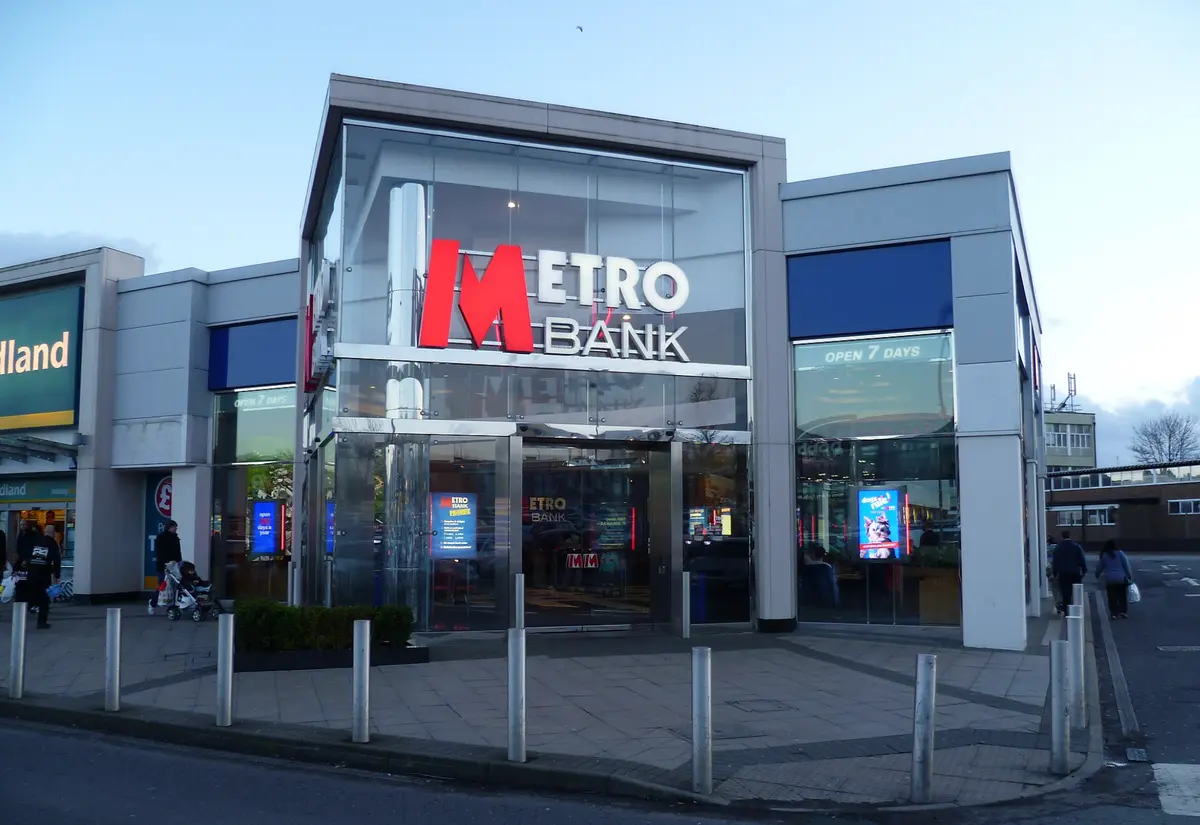
Introduction to Metro Bank’s Challenges
Metro Bank, a prominent challenger bank in the UK, has recently begun facing significant operational problems that have raised concerns among customers and investors alike. Established in 2010, Metro Bank was designed to disrupt the traditional banking model by providing excellent customer service and innovative products. However, recent events have cast a shadow on its reputation and operational capabilities, highlighting the importance of stability in the banking sector.
Details of Recent Issues
In October 2023, Metro Bank reported a major blow to its financial standing after disclosing substantial accounting errors that had overstated the bank’s profits for the previous fiscal year. This revelation led to a sharp decline in investor confidence, with shares dropping by over 30% in a single day. Analysts have raised alarms that such mismanagement illustrates deeper issues within the institution’s governance and operational structures.
Furthermore, rumors of potential liquidity problems have circulated, leading to increased withdrawal rates among customers as they seek to safeguard their deposits. Many customers have voiced concerns regarding the security of their funds, prompting several to consider switching to more established institutions. Reports suggest that Metro Bank is now facing a liquidity squeeze, which could further exacerbate its existing problems.
Regulatory Scrutiny
As expected, these challenges have attracted the attention of the Financial Conduct Authority (FCA) and the Prudential Regulation Authority (PRA), both of which are responsible for overseeing the UK banking sector. The regulators have begun a thorough review of Metro Bank’s compliance with banking regulations, as well as its liquidity position and risk management practices. In the wake of heightened scrutiny, the bank has been actively working to reassure both customers and investors about its commitment to rectifying the issues.
Conclusion: The Future of Metro Bank
The recent problems facing Metro Bank have illustrated the vulnerabilities that can exist even within modern banking establishments. For existing customers, these events serve as a reminder of the importance of understanding the operational health of their banking institutions. Looking ahead, the bank’s leadership must take decisive action to restore confidence and stabilize its operations. Future forecasts suggest that if Metro Bank successfully addresses its challenges and improves its governance, it may still have a chance at recovering its market position. However, the road back to stability will require strong commitment and transparent communication with stakeholders as the bank navigates these troubled waters.
