Introduction
The emergence of new Covid variants continues to pose challenges to global health systems and the ongoing fight against the pandemic. With the latest variant identified, it is crucial for individuals and communities to stay informed about its characteristics, transmission rates, and potential impacts on public health measures. This article delves into the latest developments surrounding the new Covid variant, shedding light on its significance and relevance in the current healthcare landscape.
Details of the New Variant
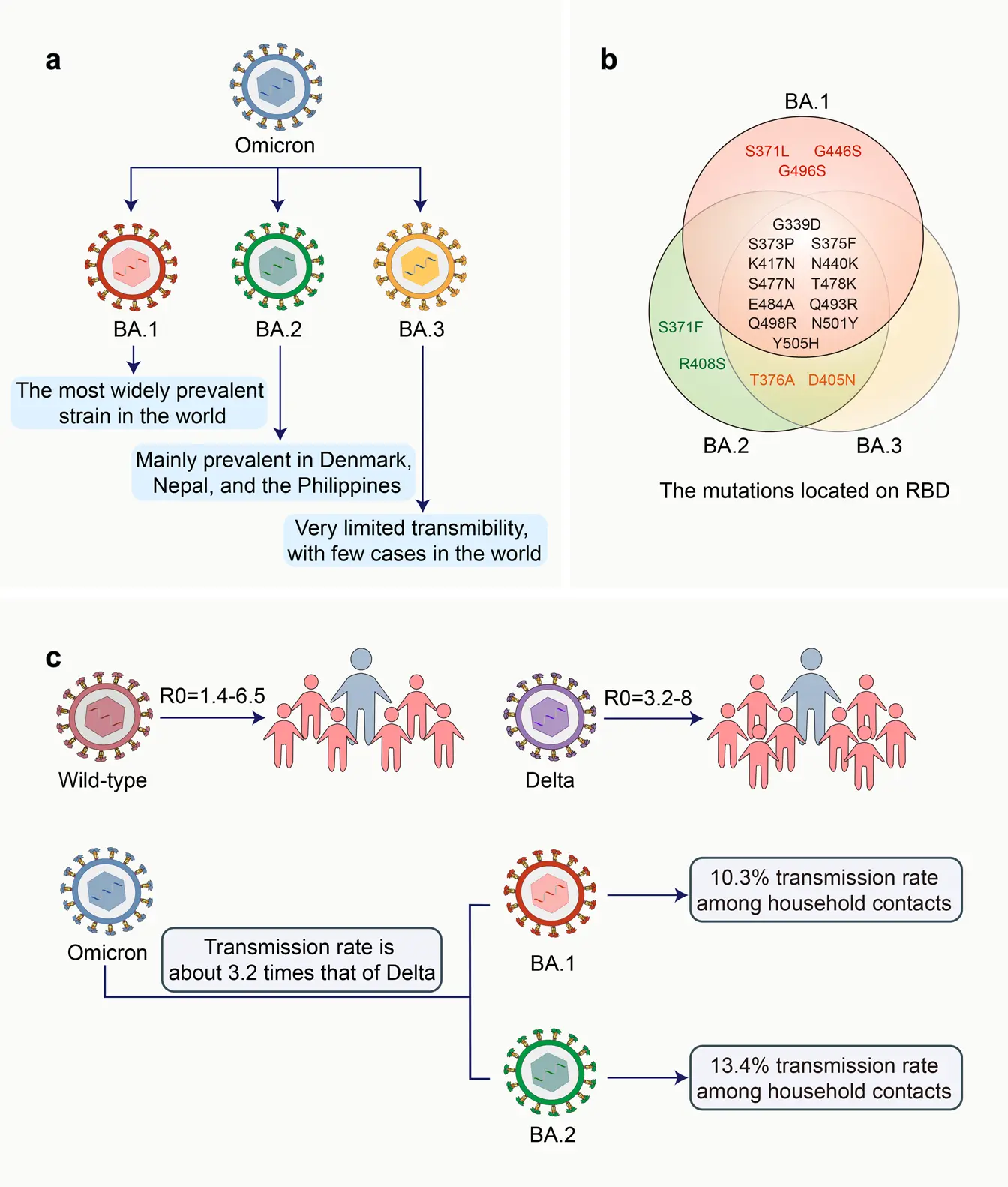
The World Health Organization (WHO) has recently categorised a new Covid variant, named B.1.1.529, as a variant of concern. This variant was first detected in South Africa and has been linked to a surge in infections that has raised alarms among health authorities worldwide. Preliminary studies suggest that the variant carries multiple mutations in its spike protein, which may enhance its transmissibility and potentially enable it to evade immunity from past infections or vaccinations.
Epidemiologists are closely monitoring the variant’s spread across various countries, particularly as travel restrictions are lifted and public gatherings resume. As of mid-October 2023, cases of this new variant have been reported in over 30 countries, prompting health officials to implement enhanced surveillance and testing protocols.
Public Health Response
In response to the new variant, health authorities are urging citizens to continue practising preventive measures, including wearing masks in crowded places, maintaining social distancing, and prioritising vaccinations and booster shots. Studies are currently underway to determine the effectiveness of existing vaccines against the new variant, with many pharmaceutical companies already starting to formulate updated vaccines specifically targeting its mutations.
Furthermore, ongoing research aims to clarify the implications of this new variant with respect to disease severity, hospitalisation rates, and its capacity to reinfect those previously affected by earlier strains of the virus.
Conclusion
The emergence of the new Covid variant highlights the continuing evolution of the virus and the importance of maintaining vigilance in public health practices. As research continues and more data becomes available, it is anticipated that health agencies will update their guidelines to manage the implications of this variant. Public compliance with health recommendations, vaccination programmes, and awareness can significantly impact the trajectory of the pandemic in the months ahead. Staying informed and adaptable is critical as the global community navigates the latest challenges posed by Covid-19 and its variants.
