The Significance of Gamma Ray Glows in Astronomy
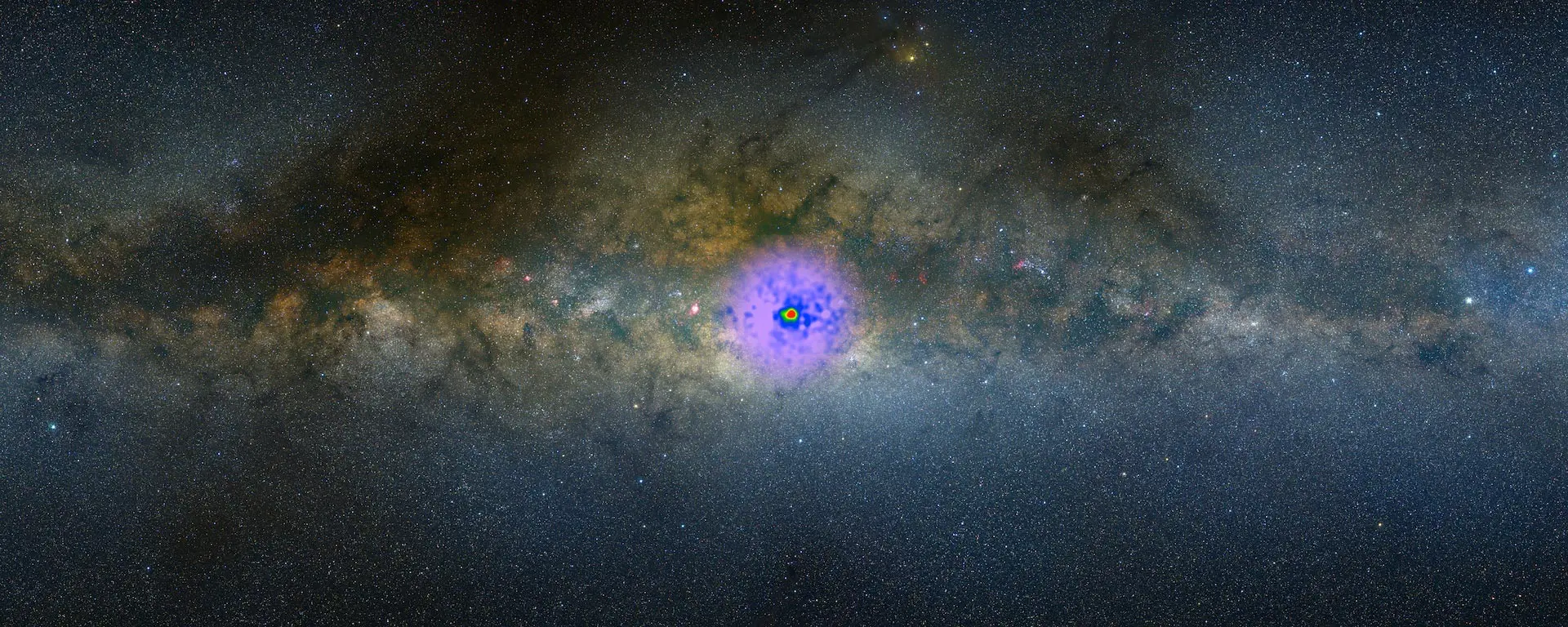
The Milky Way galaxy, our home in the vast universe, is a dynamic and complex system. Among its many features, the gamma ray glow emitted from its core has captured the attention of astronomers and scientists alike. This gamma ray glow is a crucial area of research as it provides insights into cosmic phenomena, including the origins of high-energy particles and processes involving dark matter.
Recent Discoveries and Observations
Recent studies, particularly those conducted by the Fermi Gamma-ray Space Telescope, have significantly advanced our understanding of the Milky Way’s gamma ray glow. This glow is primarily attributed to interactions between cosmic rays and gas or starlight within the galaxy. The glowing emissions reveal areas where these high-energy particles collide with the interstellar medium, producing gamma rays.
In July 2023, a team of researchers published findings indicating that the gamma ray glow in the centre of the Milky Way is not uniform but instead varies significantly based on various factors. This variation suggests differing concentrations of cosmic rays, which may relate to the galaxy’s structural evolution and star formation rates. The team’s work utilized high-resolution data from the Fermi telescope, allowing for finer analysis of the gamma ray emissions.
Implications for Dark Matter Research
One of the most significant implications of studying the gamma ray glow is its potential connection to dark matter. Some theoretical models suggest that the excess gamma rays observed from the galactic centre may originate from dark matter particle annihilations. Researchers are actively investigating these possibilities, as understanding dark matter—one of the universe’s biggest mysteries—could revolutionise our grasp of cosmic structure and evolution.
Conclusion: The Road Ahead
The gamma ray glow of the Milky Way galaxy is a vibrant area of research with implications that stretch from understanding cosmic rays to unraveling the mysteries of dark matter. As observational technologies advance and more data is collected, the coming years promise to deliver richer insights into the origins and implications of this enigmatic glow. For both amateur astronomers and seasoned astrophysicists, the Milky Way’s gamma ray emissions will continue to be a focal point of intrigue and inquiry as we strive to comprehend our universe.
