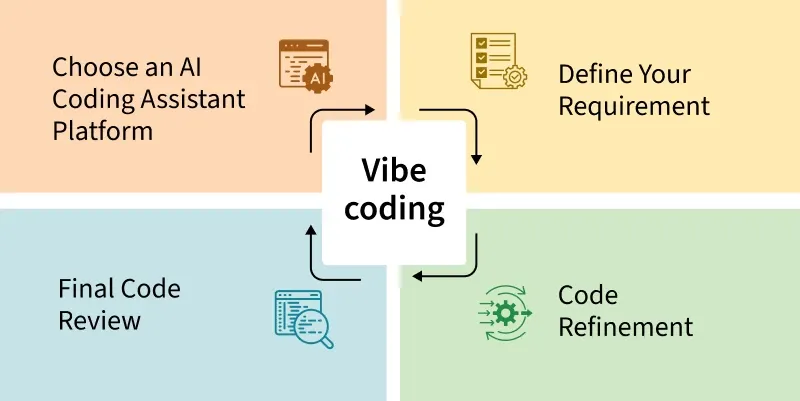
Introduction: What is Vibe Coding?
Vibe coding has emerged as a significant term in the realm of digital communication, particularly in social media and software development. As our world becomes increasingly intertwined with technology, understanding the nuances of terms like vibe coding is essential for effective engagement and expression online. This concept encapsulates how emotions and personal ‘vibes’ are expressed through coding, reflecting a blend of creativity and technical skill.
The Concept of Vibe Coding
At its core, vibe coding refers to the integration of personality, emotion, and aesthetic into code. Unlike traditional coding, which often prioritises functionality and efficiency, vibe coding seeks to evoke an emotional response from users. This trend has gained traction, particularly among developers who are exploring creative coding projects that prioritise user experience and visual appeal.
The rise of vibe coding can largely be attributed to platforms like TikTok and Instagram, where aesthetics and emotional resonance have become paramount. For software developers, including elements of vibe coding in their projects allows them to connect with users on a more personal level, fostering a community around shared interests and emotional engagement. Developers use this approach to create applications that not only perform well but also create memorable experiences.
Real-World Applications
Several innovative projects have showcased the impact of vibe coding. For example, interactive websites built with vibrant colours and animations capture user attention and encourage higher engagement rates. Applications in the gaming industry also illustrate this concept, where gameplay and aesthetic environments are designed to elicit specific emotions, enhancing overall user satisfaction.
Furthermore, mentorship programs and online forums have emerged, aiding developers in harnessing the principles of vibe coding. These platforms facilitate sharing techniques on how to incorporate emotional design into coding, laying a strong emphasis on community learning.
Conclusion: The Future of Vibe Coding
As we look towards the future, vibe coding is likely to become an integral part of programming languages and development frameworks. With ongoing advancements in user interface (UI) and user experience (UX) design, the importance of integrating personal and emotional elements into digital products will only grow. Developers are encouraged to harness this trend to engage users meaningfully, as a unique approach to coding that transcends mere functionality.
In essence, understanding vibe coding is crucial for those looking to thrive in the modern digital landscape. It represents a shift in how we view coding—not just as a technical skill but as an art form that bridges the gap between technology and human emotion.
