Introduction
Macedonia, a region in Southeast Europe with a rich tapestry of history, culture, and diverse traditions, occupies a significant place in the Balkan Peninsula. It has been pivotal in various historical contexts, from ancient times through the Byzantine Empire and into modern history. Today, the Republic of North Macedonia, which gained independence in 1991 after the disintegration of Yugoslavia, identifies itself with this illustrious heritage. The continued relevance of Macedonia lies not only in its historic significance but also in its ongoing developments in political, cultural, and economic spheres.
A Historical Overview
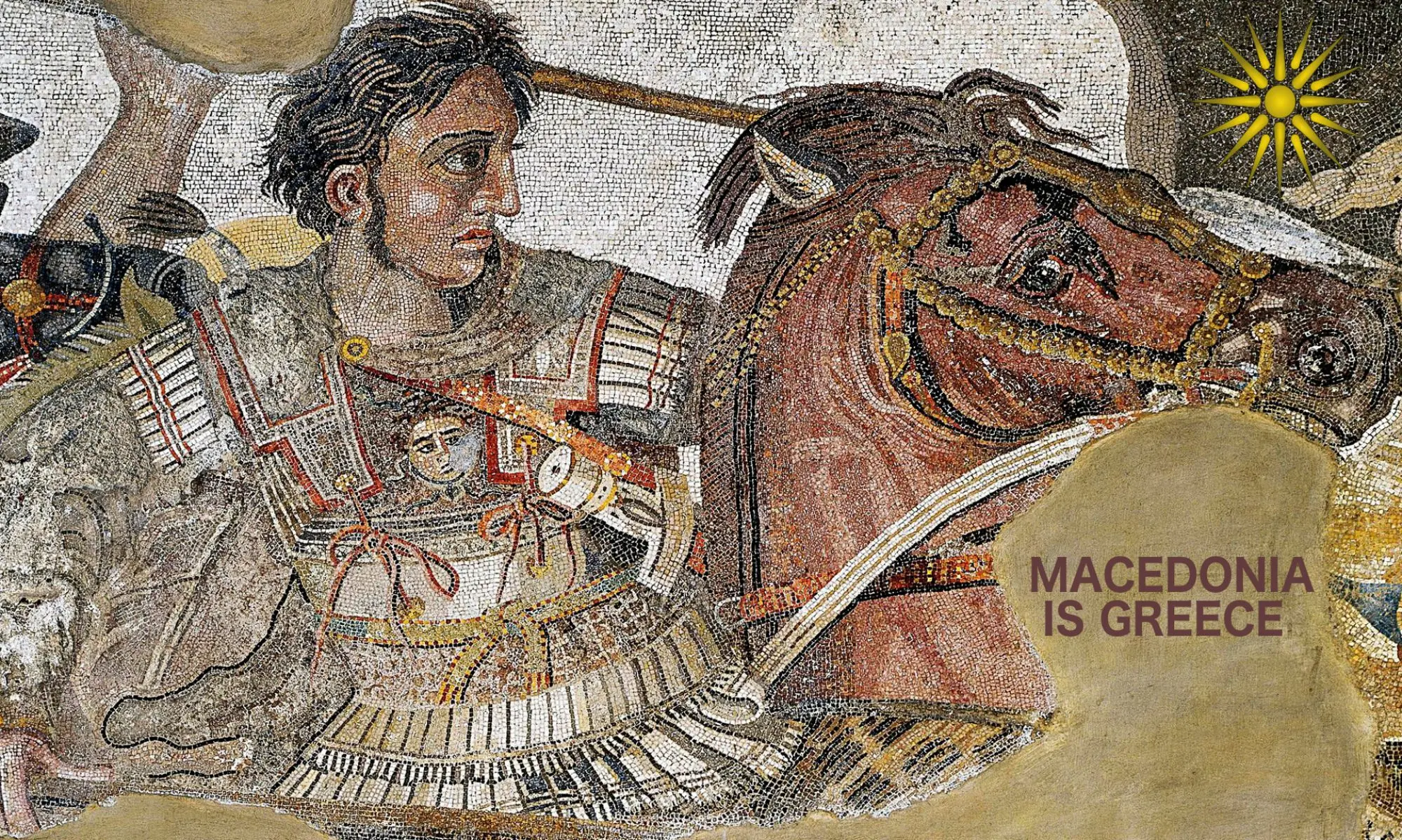
Geographically, Macedonia has been a crossroads of civilizations. Ancient Macedonia was home to significant figures such as Alexander the Great and his father, King Philip II. This proud history fosters a strong sense of identity among the Macedonian people. In 2019, the country officially changed its name to North Macedonia, resolving a long-standing dispute with Greece that has had implications for its EU membership aspirations.
Current Affairs and Cultural Significance
Since gaining independence, North Macedonia has made strides towards embracing its cultural heritage while striving for European integration. In 2021, it launched several initiatives to promote tourism, focusing on archaeological sites, natural beauty, and rich cultural practices. Cities such as Skopje—renowned for its blend of historic and modern architecture—draw visitors worldwide, eager to explore landmarks such as the old bazaar and the imposing statue of Alexander the Great in the city square.
In addition to tourism, North Macedonia is also witnessing a surge in interest in its traditional music, dance, and cuisine, helping to rejuvenate its cultural identity. The annual Ohrid Summer Festival, celebrated since 1961, attracts artists and audiences who relish the vibrant tapestry of Macedonian folklore and the arts.
Challenges and Future Prospects
Despite its positive developments, North Macedonia faces several challenges, including economic reforms, political stability, and the integration process into the European Union. The country aims to tackle issues such as unemployment and corruption, contingent upon sustained political will and regional cooperation.
Conclusion
The significance of Macedonia, both historically and in contemporary discourse, continues to unfold. As North Macedonia strives to affirm its place in Europe, it remains anchored in a complex yet fascinating past that shapes its future. For readers, understanding this dynamic interplay of heritage and progress offers insight into both the resilience and potential of the region, elucidating why Macedonia matters not just in the Balkan context but worldwide.
