Introduction
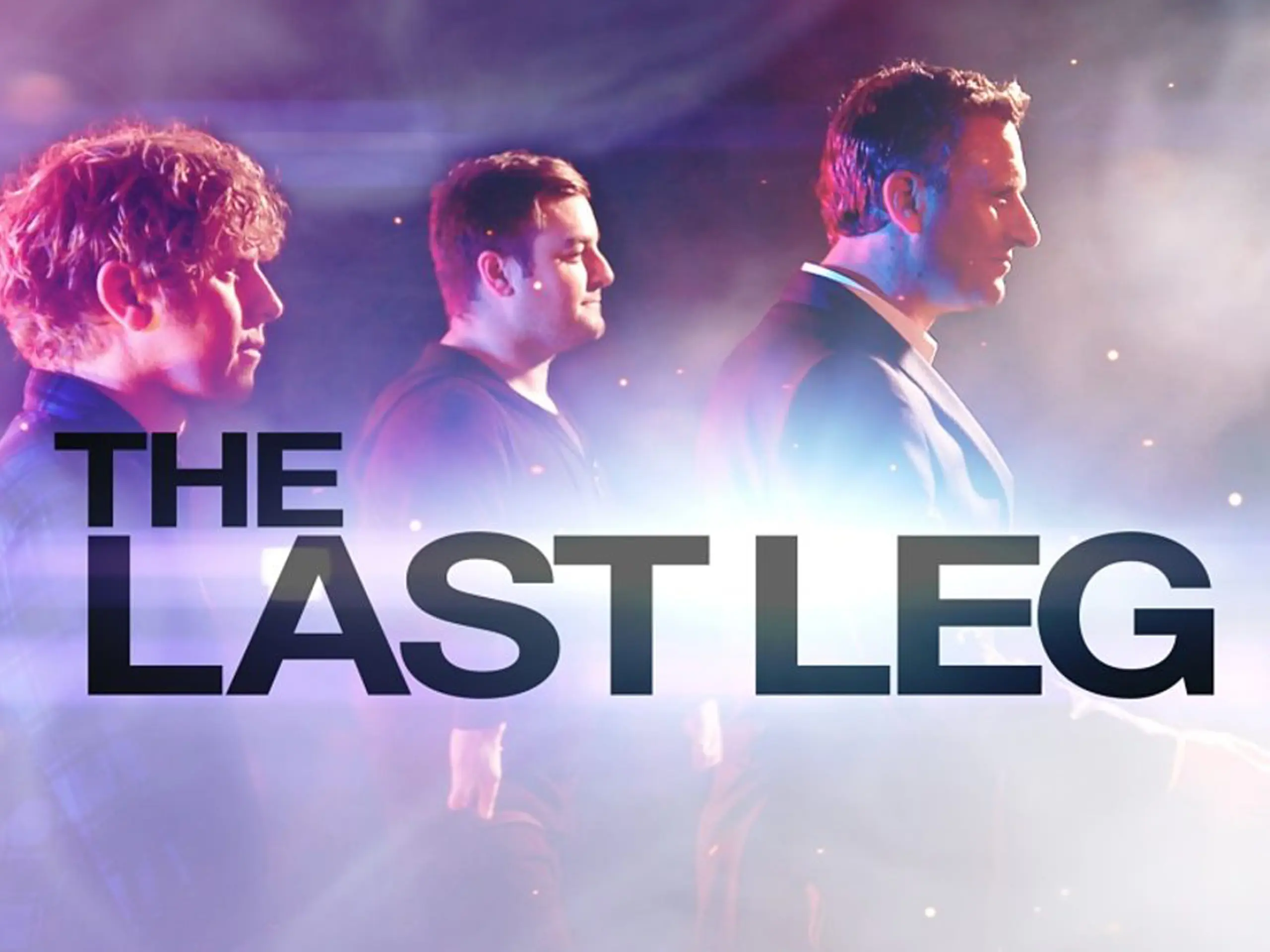
The Last Leg has become a significant fixture in British television since its debut in 2012. Initially airing to cover the London Paralympics, the show quickly grew beyond its original scope, transforming into a weekly satire programme that embraces inclusivity and fosters conversations about disability. Hosted by Adam Hills, along with co-hosts Josh Widdicombe and Alex Brooker—both of whom have disabilities—the show highlights society’s challenges while delivering humour that resonates with a vast audience.
The Show’s Format and Impact
The Last Leg is renowned for its blend of comedy, current affairs, and social commentary. Each episode features humorous takes on the news, celebrity interviews, and a segment known as “Is It OK?” where viewers can send in dilemmas for discussion. This interactive format allows the show to tackle sensitive topics in a way that is both humorous and enlightening, appealing to a diverse range of viewers. With over a decade on air, it has garnered numerous awards, including BAFTA nominations, affirming its significance in British television.
One of the show’s standout features is its commitment to raising awareness of disabilities and other social issues. By incorporating a diverse range of voices and experiences, The Last Leg facilitates dialogue on inclusivity, encouraging viewers to embrace differences. The show has also been praised for its openness during events such as the COVID-19 pandemic, providing a platform for discussions around mental health and the wider implications of the crisis.
Recent Developments and Future Outlook
As of 2023, The Last Leg continues to thrive. Recent episodes have included interviews with public figures and activists striving for social change, highlighting the show’s ongoing relevance. This summer, the show will return for its annual live broadcasts from the Edinburgh Festival Fringe, ensuring that it remains connected with its audience.
Conclusion
The Last Leg’s impact on British media is undeniable. By seamlessly combining comedy and serious subject matter, it has created a unique space where issues concerning disability and socio-political matters can be discussed openly and with humour. As the show reaches new milestones in its journey, it remains a crucial advocate for inclusivity and understanding, promising to engage and inspire audiences for years to come. For viewers, The Last Leg is not just a television programme; it’s a cultural phenomenon that challenges norms and encourages acceptance.
