Introduction
The respiratory syncytial virus (RSV) is a significant cause of respiratory illness in infants and the elderly, leading to severe health complications and hospitalisations. The ongoing advancements in the development of an RSV vaccine represent a critical step in public health, aiming to reduce the impact of this virus during peak seasons. As cases of RSV typically rise in winter months, the vaccine’s importance is highlighted further, making it a current focal point for health organisations globally.
Recent Developments in RSV Vaccine Research
In 2023, several pharmaceutical companies have made substantial progress in the development and testing of RSV vaccines. Companies like Pfizer and GSK have been conducting clinical trials for their vaccines, which aim to provide effective preventive measures against RSV infection. Notably, Pfizer’s vaccine has recently received breakthrough therapy designation from regulatory authorities, expediting its path to potential approval.
GSK’s vaccine has shown promising results in reducing the severity of illness caused by RSV in infants when administered to pregnant mothers. This approach not only protects the mother but also offers critical immunity to newborns during their vulnerable early months. The vaccine’s performance in clinical trials has garnered positive feedback, with expectations for ongoing trials to further confirm its effectiveness.
Broader Implications
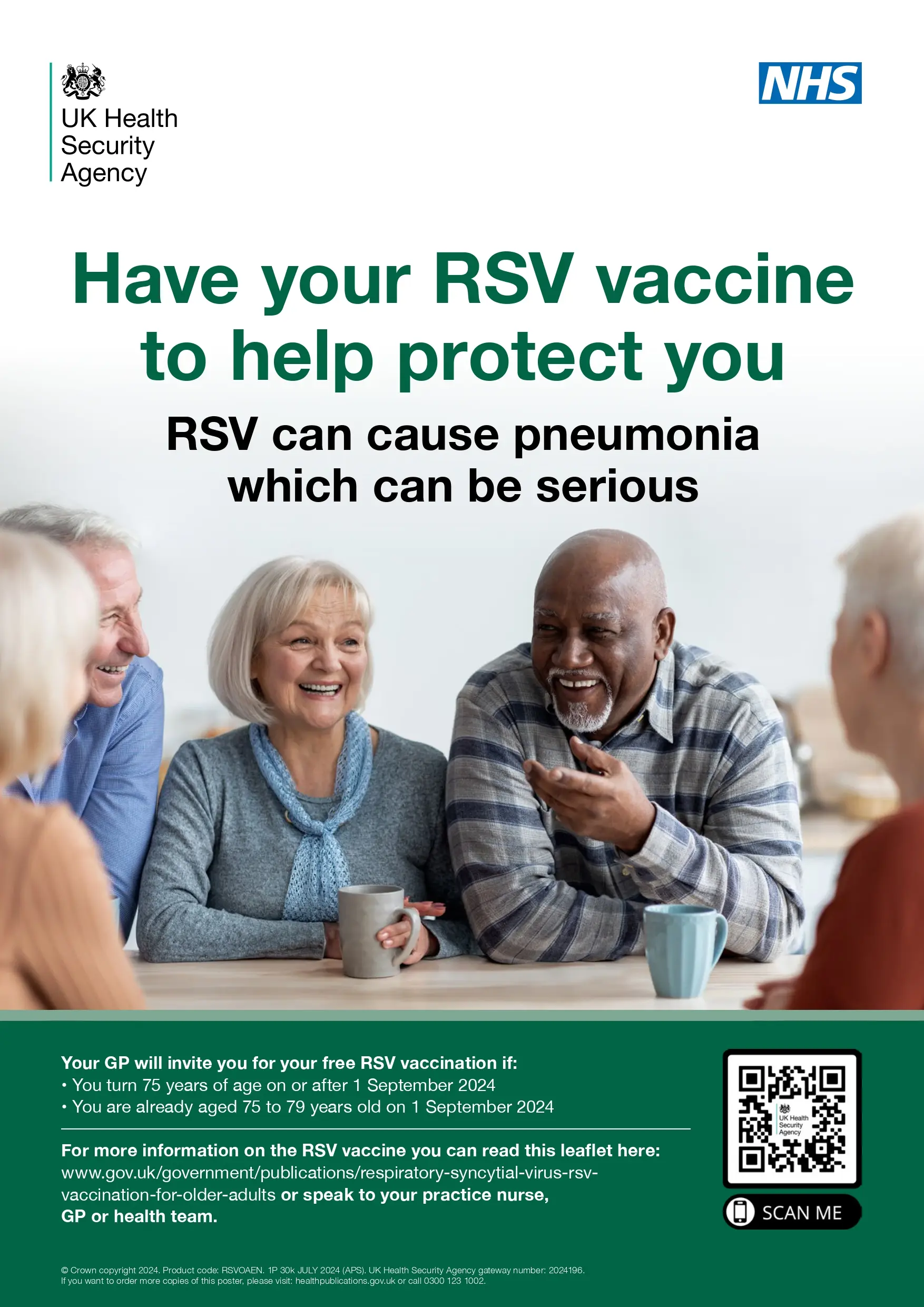
The introduction of an effective RSV vaccine holds significant implications for public health, especially within vulnerable populations. According to the World Health Organization, RSV leads to nearly 3 million hospital visits and 200,000 deaths among children under five worldwide per year. For the elderly, particularly those with pre-existing health conditions, contracting RSV can result in serious complications, including pneumonia.
Health experts have highlighted the potential of the RSV vaccine to lessen the burden on healthcare systems, especially during the winter months when RSV cases commonly peak. Furthermore, the introduction of a vaccine could facilitate earlier diagnoses and treatment protocols, ensuring that those affected receive the necessary care.
Conclusion
As ongoing research and clinical trials progress, the RSV vaccine’s development remains a topic of high priority and great anticipation. With the potential to significantly decrease infection rates and hospitalisations, the adoption of a safe and effective vaccine can transform how we manage RSV. It is crucial for healthcare providers, policymakers, and parents to stay informed on the developments concerning the RSV vaccine as we strive to protect our most vulnerable populations during infectious disease outbreaks. The significance of the RSV vaccine, therefore, cannot be overstated, as it paves the way for enhanced health outcomes and community wellbeing.
