Introduction
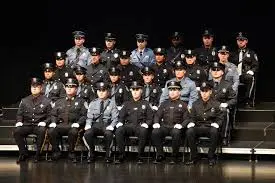
Police academies play a pivotal role in preparing individuals for careers in law enforcement. As crime rates fluctuate and communities face new challenges, effectively trained police officers become essential for maintaining public safety. With comprehensive training programs that encompass physical tactics, legal education, and community engagement skills, police academies ensure that future officers are well-equipped to handle the demands of their profession.
Training Curriculum at Police Academies
Police academy training typically spans several months and covers a vast array of subjects. Trainees engage in physical fitness training, self-defence, firearms training, and emergency response techniques. Furthermore, legal education is fundamental to their training, ensuring officers understand the law, constitutional rights, and procedures for conducting various types of investigations.
In addition to physical skills, police academies increasingly emphasise community relations and diversity training. As police officers often work in multicultural environments, understanding and appreciating different backgrounds is critical. Programs may include conflict resolution tactics, communication skills, and lessons on cultural competency.
Recent Developments in Police Training
In response to rising concerns about police conduct and accountability, many police departments and academies are evolving their training methodologies. Initiatives that promote de-escalation tactics, mental health awareness, and community policing are now more prevalent in curricula across the UK. Recent statistics from a report by the National Police Chiefs’ Council indicate that 83% of police recruits believed that training around community engagement significantly impacted their preparedness for the role.
Moreover, advancements in technology have also influenced training practices within police academies. Classes on the use of body cameras, digital evidence gathering, and cybersecurity are being integrated into training programmes, preparing recruits for the challenges of modern policing.
Conclusion
As society continues to evolve, the importance of police academies cannot be overstated. They are essential in equipping law enforcement officers with the skills and knowledge necessary to fulfil their duties effectively and ethically. Looking ahead, one can foresee further adaptations in training approaches to address societal concerns while maintaining the core objective of protecting and serving the community faithfully. The future of effective law enforcement will heavily depend on how well these academies prepare their recruits to face the realities of policing in our dynamic world.
