Introduction
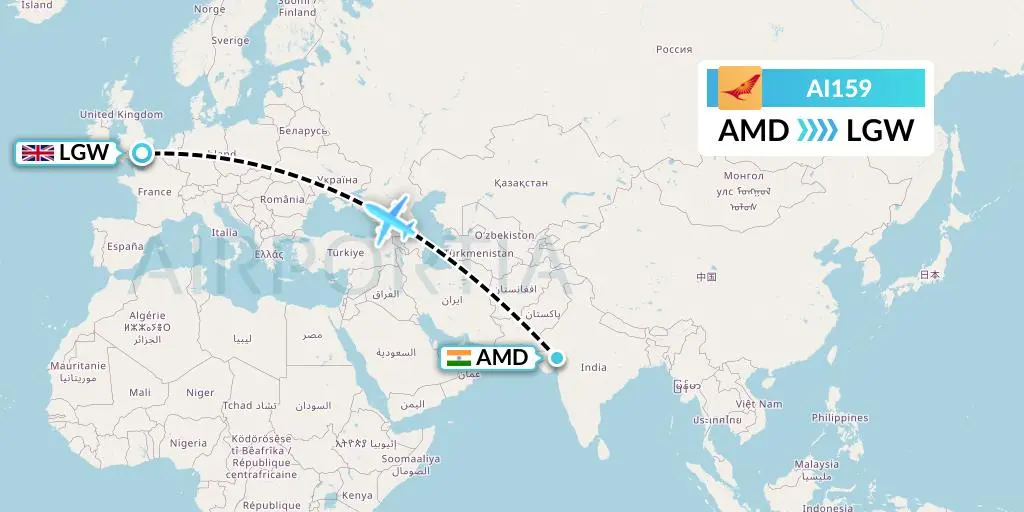
Flight tracking technology has revolutionised the way passengers and aviation enthusiasts monitor flights in real-time. As air travel continues to increase globally, the demand for accurate and timely information about flights has grown significantly. Flight trackers provide valuable data on flight status, delays, routes, and even altitude limits, making them an essential tool for anyone involved in air travel.
The Current State of Flight Tracking
Recent reports indicate that the global flight tracking market is expected to grow substantially in the coming years. According to a recent analysis by ResearchAndMarkets, the market is projected to reach USD 4.12 billion by 2028, growing at a compound annual growth rate (CAGR) of 14.1% from 2021. This growth is primarily driven by increasing air traffic, the need for enhanced safety measures, and the rising consumer demand for up-to-date travel information.
Several platforms utilise advanced technology to provide flight tracking services, including Flightradar24, FlightAware, and RadarBox. These services are used not only by passengers to keep track of their flights but also by aviation professionals to monitor air traffic. These platforms leverage data from government agencies, satellites, and air traffic control systems to deliver accurate information in real-time.
Benefits of Using Flight Trackers
The advantages of using flight trackers are manifold. For travellers, these tools reduce anxiety by providing live updates about flight status, allowing passengers to plan their journeys more effectively. Knowing a flight’s expected arrival or departure time can help prevent unnecessary waiting at the airport. Furthermore, many flight tracking apps offer notifications for gate changes and delays, enhancing the overall travel experience.
For the aviation industry, real-time flight data is crucial in optimising operations. Airlines use tracking systems to improve fuel efficiency, reduce delays, and enhance overall customer satisfaction. In addition, airports can better manage their resources based on live flight data, contributing to smoother operations and a better experience for travellers.
Conclusion
As the aviation industry continues to evolve, flight tracking technology plays an increasingly critical role in ensuring safety and efficiency in air travel. With advancements in satellite technology and data analytics, the future of flight trackers looks promising. Passengers can expect further improvements in the accuracy and reliability of flight tracking services, making travel planning even more seamless. As this technology becomes more integrated into our travel experiences, it is clear that flight trackers are not just a convenience but a necessity in today’s fast-paced world of air travel.
